

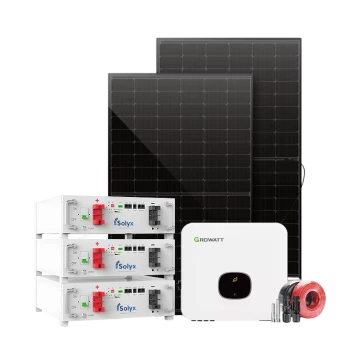
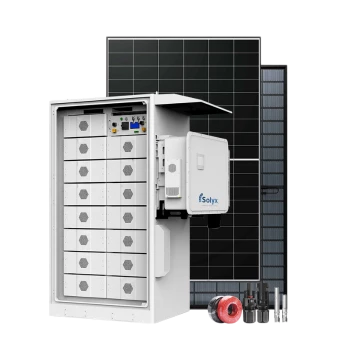
Types of solar batteries: A guide to solar energy storage
Release time: 2026-06-17
The global transition toward renewable energy has made capturing the sun’s power more accessible and efficient than ever before. However, photovoltaic panels alone only generate electricity during daylight hours. To achieve true energy independence and maximize the return on your renewable energy investment, you must find a way to capture and hold that excess power for nighttime use or cloudy days. This is where advanced energy storage systems come into play.
Integrating high-quality energy accumulators into your home or commercial grid allows you to maintain a continuous power supply. Whether you are aiming to reduce reliance on the municipal grid, lower peak-hour electricity costs, or ensure your lights stay on during extreme weather, understanding the underlying technology is critical. At Solyx, we believe that an informed consumer makes the best long-term investments, which is why we have created this comprehensive guide to navigating the complex landscape of photovoltaic power retention.
Why Invest in Renewable Energy Retention?
Before diving into the specific chemistries and models, it is essential to understand why adding an energy reservoir is highly beneficial. A grid-tied system without a backup will still shut down during a blackout for safety reasons. Furthermore, utility companies are increasingly shifting toward time-of-use (TOU) billing, meaning electricity is more expensive during peak evening hours—exactly when your panels stop producing.
By utilizing solar storage batteries, homeowners can store the free energy generated at noon and discharge it at 7:00 PM, bypassing high utility rates. When evaluating the best solar battery for home use, it is crucial to analyze your household’s unique energy consumption patterns and your primary goals—whether that is maximizing financial savings or ensuring emergency resilience.
Primary Classifications of Photovoltaic Accumulators
The market currently offers several distinct chemical compositions, each with its own advantages, limitations, and ideal use cases.
1. Lead-Acid Technology
Lead-acid technology has been the backbone of off-grid power for decades. These units are heavy, require significant space, and possess a lower Depth of Discharge (DoD) compared to modern alternatives—typically around 50%. This means you can only use half of their total capacity without damaging the internal cells.
Despite their older architecture, they remain incredibly reliable and boast the lowest upfront cost on the market. They are primarily utilized in remote cabins or budget-conscious off-grid solar power solutions where space is abundant and daily cycling isn’t intensely demanding.
2. Lithium-Ion Technology
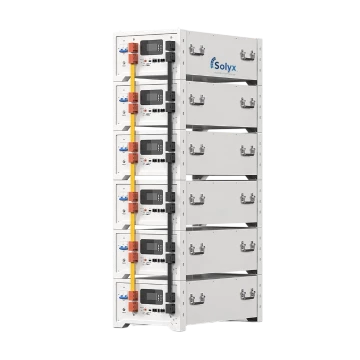
Lithium-ion technology is currently the undisputed industry standard for both residential and commercial renewable applications. They are lighter, more compact, and offer a much higher DoD (often 80% to 100%). Within this category, there are two dominant sub-chemistries: Nickel Manganese Cobalt (NMC) and Lithium Iron Phosphate (LFP).
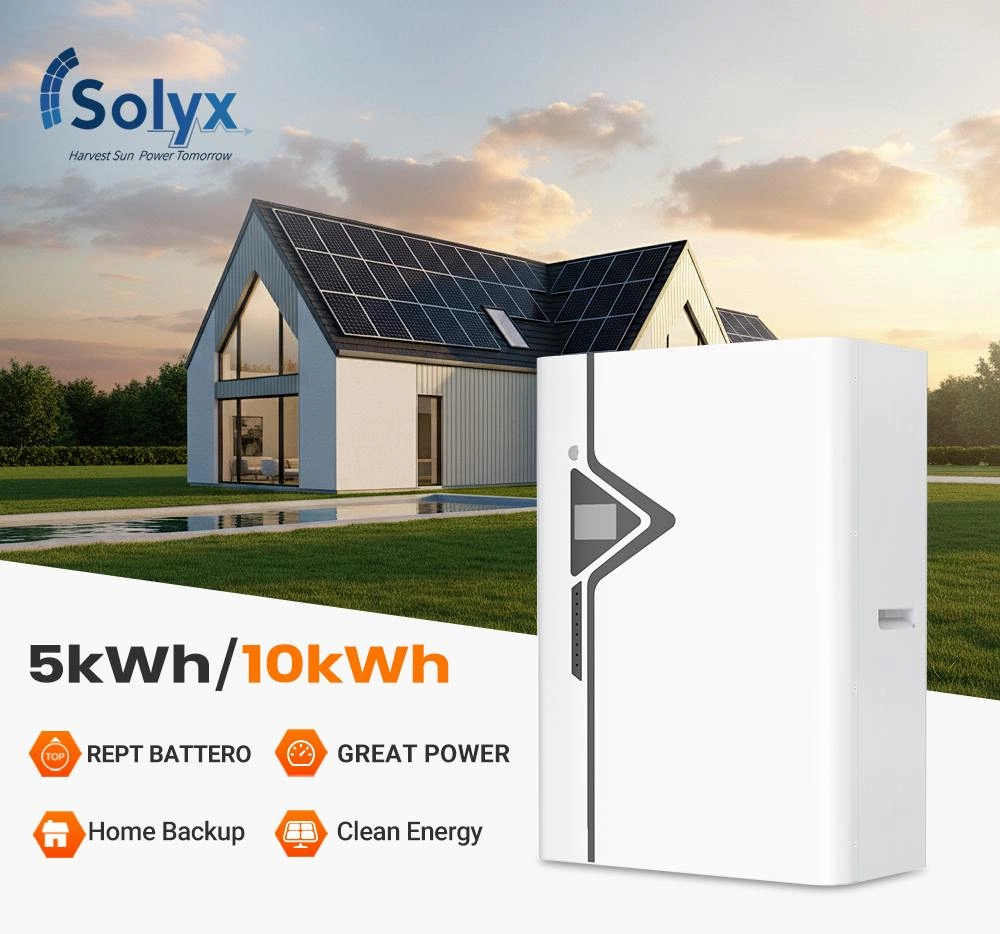
While NMC offers higher energy density (taking up less physical space), lithium iron phosphate deep cycle batteries have rapidly become the preferred choice for forward-thinking consumers. They offer superior thermal stability, drastically reducing the risk of overheating, and boast a significantly longer cycle life. Solyx frequently recommends LFP architecture for residential projects due to this unparalleled safety profile and long-term durability.
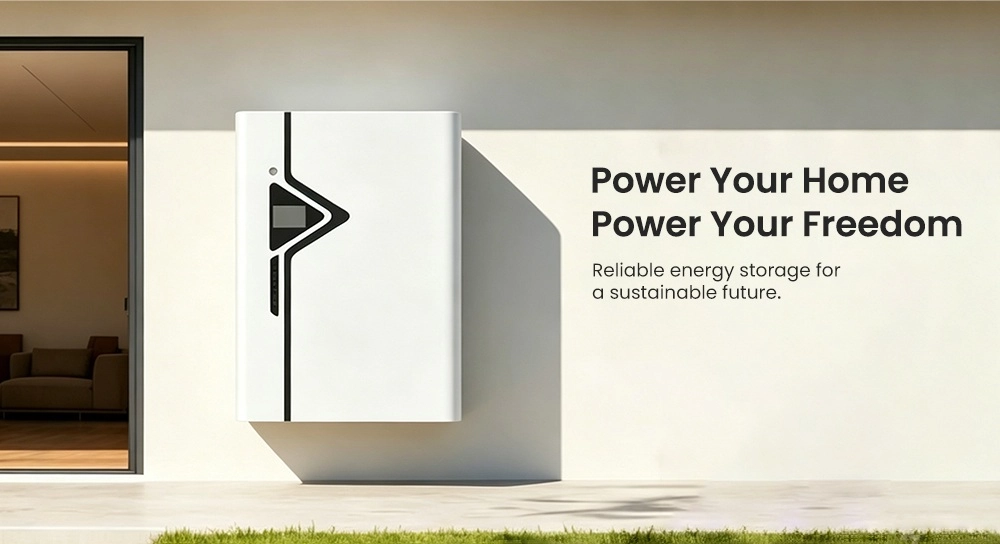
3. Flow Battery Systems
Flow systems represent an emerging, highly promising sector in the commercial renewable energy market. Unlike traditional solid-state cells, these units store energy in liquid electrolyte solutions contained within external tanks. They can be discharged to 100% without any degradation and have a lifespan that can exceed two decades.
Currently, they are too large and expensive for typical residential setups, but they are highly favored for massive, utility-scale energy farms and heavy industrial applications.
Technical Comparison Table
To simplify your decision-making process, below is a comparative overview of the three main technologies available today:
| Technology Type | Average Depth of Discharge (DoD) | Estimated Lifespan | Upfront Cost | Best Application Scenario |
| Lead-Acid | 50% – 60% | 3 – 5 Years | Low | Budget off-grid, backup-only systems |
| Lithium-Ion (NMC/LFP) | 80% – 100% | 10 – 15 Years | Moderate to High | Daily residential cycling, smart homes |
| Flow Systems | 100% | 20+ Years | Very High | Large-scale commercial, utility grids |
Key Specifications to Evaluate
When comparing different models, looking beyond the marketing jargon is vital. Pay close attention to these core metrics:
- Capacity and Power Rating: Capacity (measured in kWh) tells you how much total energy the unit can hold. Power (measured in kW) indicates how much electricity it can deliver at one specific moment. Knowing how to choose a solar battery capacity depends entirely on whether you want to run a few essential lights or power heavy appliances like HVAC systems.
- Depth of Discharge (DoD): As mentioned, this dictates the usable fraction of the stored energy. Higher DoD means more usable power per cycle.
- Round-Trip Efficiency: This measures the amount of energy you can actually use compared to the amount it took to charge the unit. If you feed 10 kWh into the unit but only get 9 kWh out, the efficiency is 90%. Lithium-ion models excel here.
- Warranty and Cycle Life: Understanding the exact lifespan of residential solar batteries protects your investment. Most premium lithium units guarantee 6,000 to 10,000 cycles, translating to roughly a decade of daily use.
Application Scenarios: Finding Your Fit
The cost of solar energy storage systems is a significant factor, but it must be weighed against the specific application.
For a suburban family facing frequent grid instability due to storms, investing in a robust solar battery backup for power outages provides invaluable peace of mind. In this scenario, the system acts as an invisible generator, seamlessly taking over the moment the grid drops.
Conversely, for a business aiming to hit aggressive ESG (Environmental, Social, and Governance) targets, a large-scale LFP bank can store weekend overproduction to offset heavy weekday operational loads, creating a rapid return on investment through peak-shaving strategies.
Conclusion
Maximizing the potential of your photovoltaic array requires moving beyond simple generation and embracing intelligent energy management. While the initial capital outlay might seem daunting, the long-term benefits of utility rate arbitrage, grid independence, and emergency preparedness are undeniable.
By carefully evaluating your household’s energy demands and understanding the nuances of different chemistries, you can future-proof your property. Solyx is dedicated to guiding you through this transition, ensuring that you select a system tailored exactly to your lifestyle. Ultimately, pairing your panels with the correct solar batteries and high-efficiency solar storage batteries is the definitive step toward a sustainable, self-reliant energy future.
Frequently Asked Questions (FAQ)
1. How long do these energy storage units typically last before needing replacement?
The longevity depends heavily on the chemical composition and how often they are cycled. Traditional lead-acid units usually last between 3 to 5 years. However, modern lithium-ion systems, especially those utilizing LFP technology, are engineered to last 10 to 15 years. At Solyx, we partner with manufacturers that offer comprehensive 10-year warranties to guarantee long-term performance.
2. Can I disconnect from the municipal grid entirely if I install enough storage capacity?
Yes, it is entirely possible to go off-grid, but it requires careful engineering. You will need an oversized photovoltaic array and a substantial battery bank to ensure you have enough reserve power to sustain your home through consecutive days of poor weather (often referred to as “days of autonomy”). It is generally more expensive to build a fully off-grid system than a grid-tied system with a backup reserve.
3. Are modern residential energy accumulators safe to install indoors?
Safety has improved dramatically over the last decade. While older lead-acid banks require strict ventilation due to off-gassing, modern lithium-ion units—particularly lithium iron phosphate (LFP) models—are extremely stable. They do not emit toxic gases and have built-in Battery Management Systems (BMS) to prevent overheating. Solyx ensures that all installations strictly comply with local building and fire codes, allowing many modern units to be safely installed in garages or utility rooms.