

What is a hybrid solar inverter?
Release time: 2026-06-18
Table of Contents
The global transition toward renewable energy has completely transformed how homeowners and businesses manage their electricity. As more people install photovoltaic (PV) panels on their roofs, a common misconception persists: many believe that having panels automatically guarantees power during a grid outage. However, with standard grid-tied setups, this is simply not true. To bridge the gap between generating clean energy and actually achieving true energy independence, a specific piece of advanced technology is required.
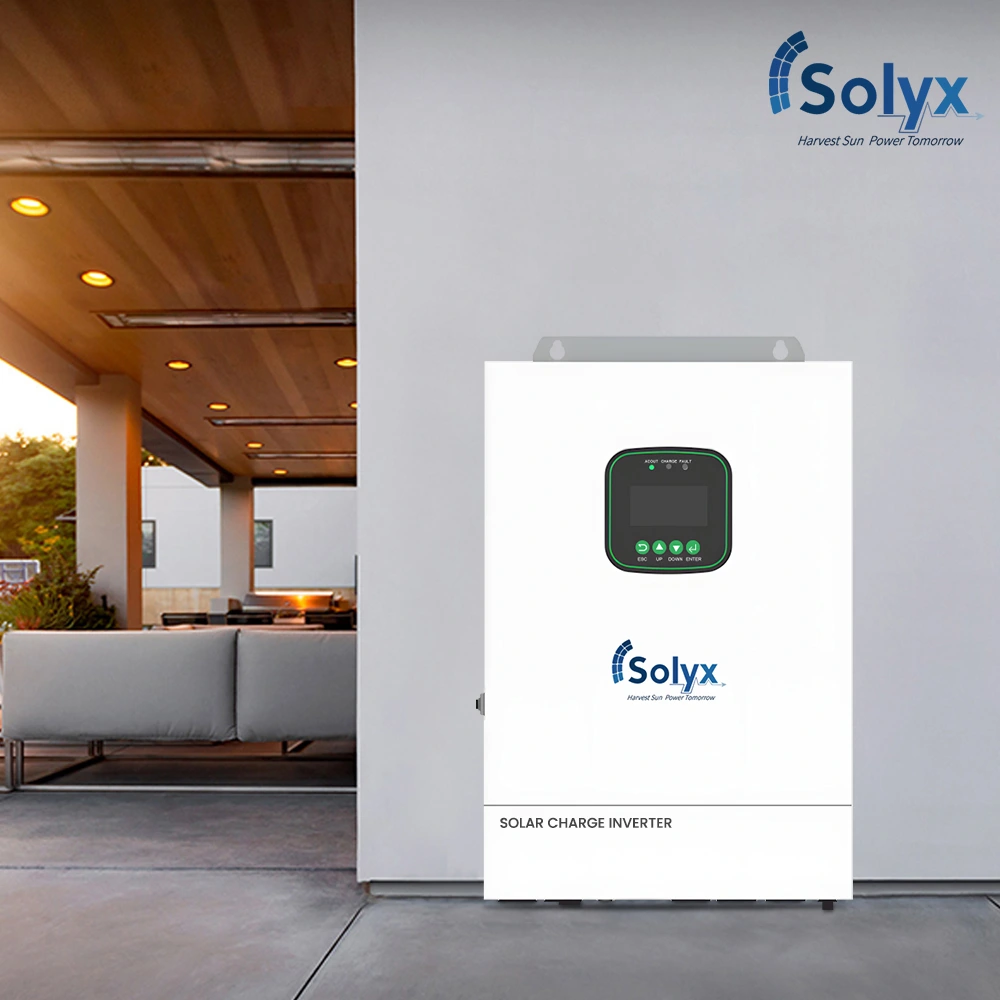
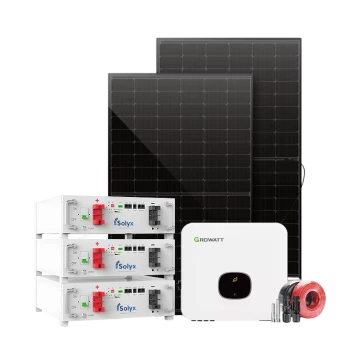
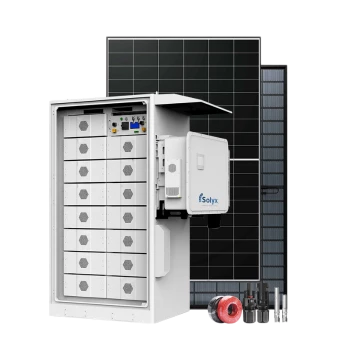
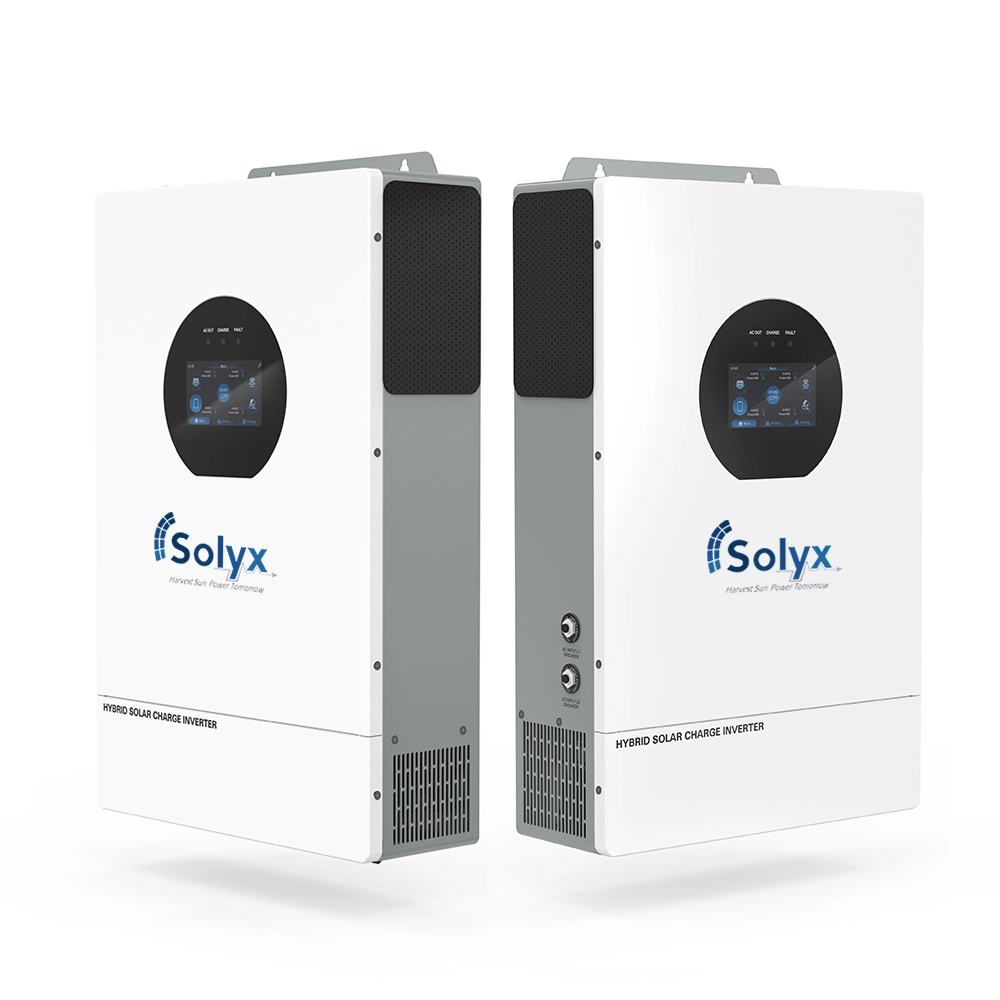
At the very core of this modern energy revolution is a device known as a hybrid solar inverter. Simply put, it is an intelligent, all-in-one unit that seamlessly combines the functionalities of a traditional grid-tied converter and a dedicated battery charger. Instead of just pushing electricity back into the municipal grid, this device acts as the “brain” of your electrical setup, dynamically managing where your generated power goes. For property owners looking to maximize their self-consumption, innovative manufacturers like Solyx are pushing the boundaries of what these smart hubs can achieve, making sustainable living more accessible than ever.
The Technical Mechanics: How a Multi-Mode System Works
To truly appreciate this technology, we must understand how a standard setup operates versus a multi-mode unit. A standard converter only does one job: it takes the Direct Current (DC) generated by your PV panels and turns it into Alternating Current (AC) for your household appliances. If you produce more than you consume, the excess is sent to the grid.
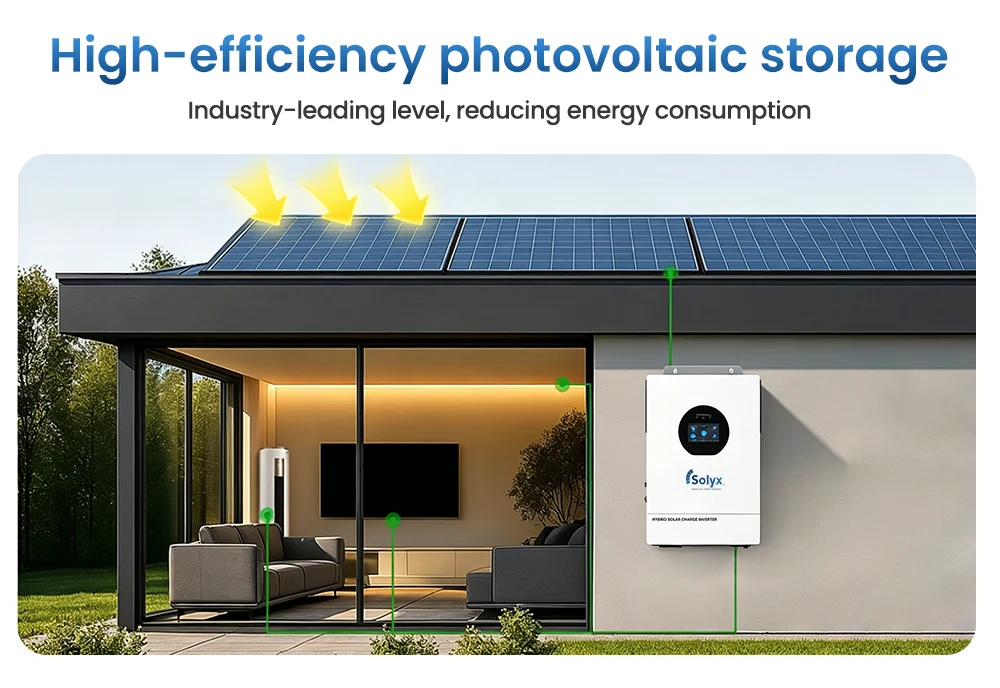
A multi-mode inverter, however, performs a complex juggling act known as bi-directional conversion. It connects to three main components: your PV panels, the utility grid, and a local battery storage bank.
During the morning and early afternoon, the system directs generated electricity to power your home. Once your house’s immediate needs are met, the integrated charge controller safely routes the surplus DC electricity directly into your battery bank. Only when the batteries are fully charged to 100% capacity will the unit export the remaining surplus to the public grid. This automated, intelligent routing is the foundational element of smart home energy management, ensuring that not a single drop of sunshine goes to waste.
Key Advantages: Why Make the Upgrade?
Investing in a battery-ready unit offers profound economic and practical benefits. Here are the primary reasons why property owners are making the switch:
1. Blackout Protection and Resilience
The most highly sought-after benefit is the ability to maintain an uninterrupted power supply during outages. Traditional setups are legally required to shut down during grid failures to protect utility workers fixing the lines. A dual-function system, however, features an automatic transfer switch. The moment the grid fails, it isolates your home (islanding) and instantaneously switches to battery power. This ensures your refrigerator stays cold, your lights stay on, and your Wi-Fi keeps running.
2. Beating Time-of-Use (TOU) Rates
Many utility companies now charge exorbitant rates during peak evening hours when everyone is home. With a multi-mode unit, you can implement peak shaving. The system can be programmed to draw from your stored battery power during these expensive evening hours instead of pulling from the grid. This intelligent shifting creates highly cost-effective energy storage solutions, drastically reducing your monthly utility bills.
3. Simplified Installation
Historically, adding batteries to an existing system meant retrofitting an expensive AC-coupled battery system with its own separate converter. An all-in-one unit eliminates this redundant hardware, streamlining the installation process, saving wall space in your garage, and reducing overall hardware costs.
Comparison: Standard Grid-Tied vs. Multi-Mode Inverters
To clarify the differences, here is a breakdown of how the two primary technologies compare:
| Feature/Capability | Standard PV Inverter | Multi-Mode (Battery-Ready) Inverter |
| Primary Function | Converts DC to AC only | Manages DC/AC conversion and battery charging |
| Grid Outage Behavior | System completely shuts down | Continues providing power via batteries |
| Battery Integration | Requires separate, costly hardware | Built-in native battery management |
| Cost Profile | Lower initial hardware cost | Higher upfront cost, but greater long-term ROI |
| Best Suited For | Areas with 100% stable grids and net metering | Areas with frequent storms or high peak electricity rates |
Primary Application Scenarios
These robust energy hubs are not a one-size-fits-all product; their programmable nature allows them to adapt to diverse environments.
- Suburban Residential Homes: In standard neighborhoods, these systems act as reliable power backup for homes, protecting families against extreme weather events, hurricanes, and rolling blackouts caused by aging infrastructure.
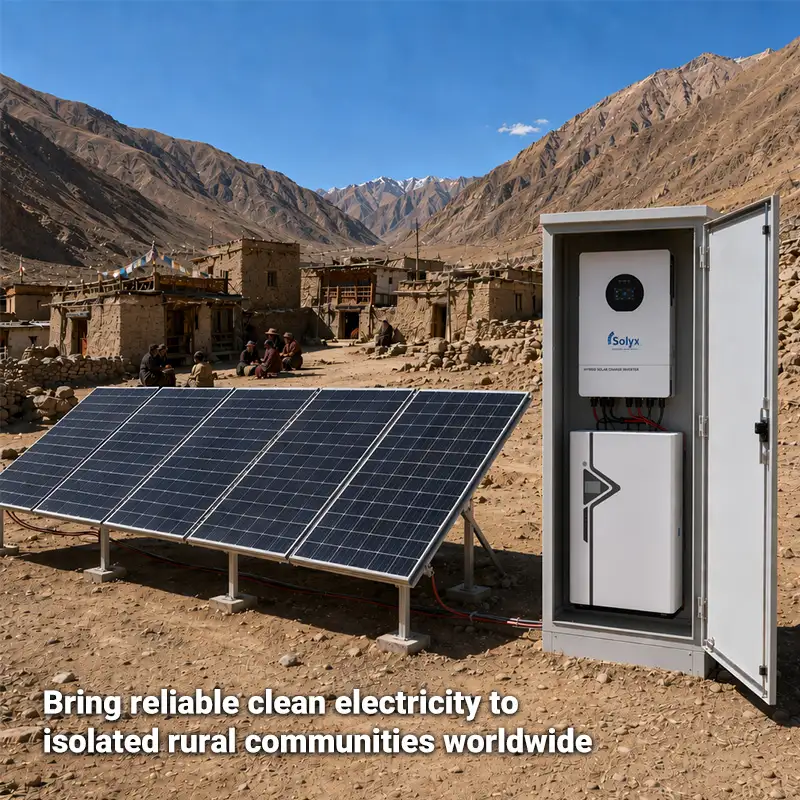
- Remote Cabins and Rural Estates: While they are predominantly connected to municipal grids, properly sized units can serve as the operational heart of residential off-grid solar systems. Paired with a large enough battery bank and perhaps a backup diesel generator, they can facilitate complete detachment from public utility companies.
- Business and Enterprise: The application isn’t limited to houses. Businesses are increasingly investing in commercial solar power setups equipped with large-scale multi-mode units. For a business, losing power means losing revenue. These commercial setups ensure that servers stay online and manufacturing processes are not interrupted, preserving the bottom line.
Choosing the Right Equipment for Your Needs
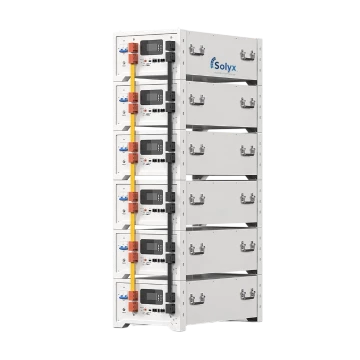
When evaluating the market, it is vital to look past the marketing jargon. Pay close attention to the continuous power rating (how many appliances you can run simultaneously) and the surge power rating (the extra kick needed to start heavy motors like air conditioners). Furthermore, ensure the unit is compatible with modern lithium iron phosphate (LiFePO4) battery chemistries.
You should aim to invest in top-rated multi-mode solar inverters that come backed by comprehensive 10-year warranties and feature user-friendly mobile monitoring applications. Premium brands in the renewable sector, such as Solyx, design their hardware to meet these strict performance metrics. They focus heavily on high-efficiency conversion rates, ensuring that minimal power is lost as heat during the conversion process. Choosing a reliable manufacturer guarantees that your investment will yield genuine long-term energy cost savings over its lifespan.
Conclusion
Transitioning to a renewable lifestyle is no longer just about generating green energy; it is about controlling and storing it effectively. Upgrading to a dual-function system represents a forward-thinking investment that maximizes your self-consumption, guards your family against unpredictable grid failures, and shields you from the volatile pricing of public utility companies. Whether you choose a high-performance system from Solyx or another reputable manufacturer, embracing this intelligent energy routing technology is the ultimate step toward true self-reliance and a sustainable future.
Frequently Asked Questions (FAQs)
1. Can I install the inverter now and add batteries later?
Absolutely. This is one of the most significant selling points of these devices. If your initial budget is tight, you can install the panels and the battery-ready converter first. It will operate exactly like a standard grid-tied system. Months or years later, you can simply purchase compatible batteries, plug them in, and update the software settings to activate the storage capabilities.
2. How long will the backup power last during a severe blackout?
The duration of your backup power is entirely dependent on two factors: the physical capacity of your connected battery bank (measured in kWh) and your household consumption. If you isolate your electrical panel to only run “essential loads” (such as the refrigerator, some LED lights, and charging outlets), a standard 10kWh battery can easily power your home overnight until the morning sun recharges the system.
3. Will my system completely eliminate my monthly electricity bill?
While it will drastically reduce your bill—often by 80% to 90%—it is rare to eliminate it entirely if you remain connected to the municipal grid. Most utility companies charge a mandatory monthly “connection fee” or “grid service fee” (often around $10 to $20) regardless of how much electricity you consume. However, by optimizing your battery usage during peak rate hours, your actual usage charges can easily drop to zero.