

How a Solar Energy Storage Battery Works
Release time: 2026-07-09
Conclusion: A solar energy storage battery works by capturing surplus electricity generated by your photovoltaic (PV) panels during peak sunlight hours and storing it in a high-capacity lithium-ion unit. This stored energy is then intelligently released to power your home during the night, grid outages, or high-demand periods, providing a critical buffer against rising utility costs and ensuring consistent energy security. By effectively managing this charge-discharge cycle, modern systems allow homeowners to maximize self-consumption and achieve greater grid independence.
Table of Contents
Harnessing the power of the sun has transformed from a futuristic ambition into a practical reality for millions of households and businesses. As renewable energy technology matures, the conversation has shifted from merely generating electricity to mastering the art of storing it. Understanding how a solar energy storage battery works is the first step toward achieving genuine energy independence and optimizing your household power consumption.
At its core, a solar battery system acts as a reservoir for your clean energy. When your photovoltaic (PV) panels generate more electricity than your home consumes during the day, the excess power is directed into the battery unit instead of being sent back to the grid or wasted. This stored energy is then available for use at night, during power outages, or during peak demand hours when electricity prices are highest.
The Technical Mechanics of Energy Storage
Modern solar storage revolves around lithium-ion technology, which has revolutionized the efficiency and longevity of these systems. The process follows a straightforward energy conversion cycle:
- DC Capture: Your solar panels convert sunlight into Direct Current (DC) electricity.
- Conversion and Charging: A hybrid inverter or charge controller directs this DC current into the battery bank. Through a chemical process involving lithium ions moving between the cathode and anode, the energy is stored.
- Inversion for Usage: When you turn on your lights or appliances, the stored DC energy is sent back through the inverter, which converts it into Alternating Current (AC) electricity—the standard form used by home appliances.
For homeowners and businesses looking for the best residential solar battery systems, the integration of a smart monitoring interface is crucial. Companies like Solyx focus on providing these intelligent management layers, ensuring that your energy distribution is prioritized based on real-time needs rather than static scheduling.
Optimizing for Efficiency and Independence
Achieving grid-independent power supply requires a holistic approach to energy management. It is not just about having the largest battery capacity; it is about how effectively your system handles the charge and discharge cycles. Utilizing lithium-ion solar storage performance analytics can help users extend the lifespan of their hardware and maximize their return on investment.
Many users are now seeking cost-effective energy storage solutions that bridge the gap between heavy industrial setups and entry-level home kits. Whether you are managing a single-family home or looking for commercial solar battery integration, the underlying principles of smart load management remain the same: store when production exceeds demand, and discharge when the sun sets.
System Comparison Table
| System Type | Primary Application | Storage Capacity | Key Advantage |
|---|---|---|---|
| Grid-Tie System | Residential / Minimalist | Low | Low cost, grid reliance |
| Hybrid System | Residential / Prosumer | Medium – High | Energy resilience + Savings |
| Off-Grid System | Remote / Rural | Very High | Total energy independence |
| Commercial Bank | Industrial / Large Scale | Extreme | Peak shaving, stability |
Application Scenarios and Future-Proofing
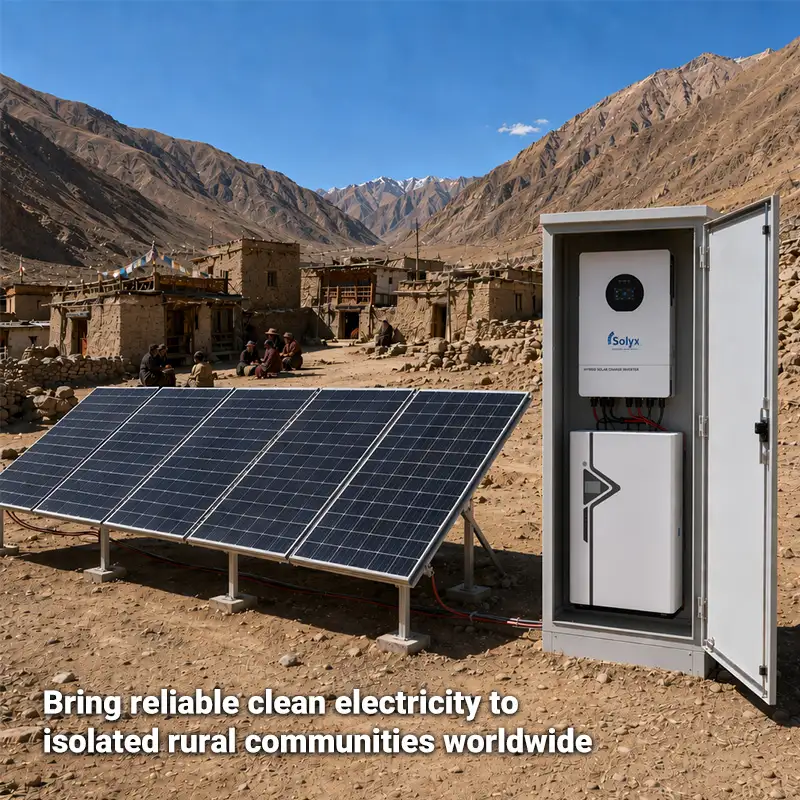
The versatility of modern storage is best illustrated through its application. For remote locations, reliable off-grid solar kits are no longer a luxury but a necessity for basic functioning. In urban environments, a sustainable home energy backup system provides security against grid instability while simultaneously reducing monthly utility bills through “time-of-use” arbitrage—charging the battery when rates are low and using that power when rates are high.
By deploying smart energy management systems, Solyx enables users to visualize their energy flow. This transparency is key to shifting consumer behavior toward more sustainable energy habits. As the infrastructure evolves, the synergy between solar panels and storage will become the standard for modern, resilient architecture.
Conclusion
The transition toward solar-integrated living is accelerating. By understanding the mechanical and operational nuances of your equipment, you can ensure your setup serves your needs for years to come. Whether you are aiming for complete grid autonomy or simply looking to buffer against rising utility costs, Solyx is committed to providing the technology required to make solar energy storage a seamless part of your daily life.
Frequently Asked Questions (FAQ)
1. Can a solar battery power my entire house during an outage?
Yes, depending on the capacity of your battery bank and your home’s energy consumption. Most modern systems are designed to power critical loads (refrigerators, lights, internet) for several hours or even days. It is essential to consult with an installer to size your battery correctly based on your “essential load” requirements.
2. How long do solar energy storage batteries typically last?
Most lithium-ion solar batteries are rated for 10 to 15 years. Their lifespan is measured in “cycles”—the process of fully charging and discharging the battery. High-quality systems often come with warranties guaranteeing a certain percentage of capacity retention over the first decade of operation.
3. Does having a solar battery increase the resale value of my home?
Generally, yes. Homes equipped with renewable energy infrastructure, including battery storage, are increasingly attractive to prospective buyers. They offer the dual benefit of lower monthly energy bills and increased security, which are considered premium features in the current real estate market.