

How a Complete Hybrid Solar System Kit Secures Your Home Energy Supply
Release time: 2026-06-29
Table of Contents
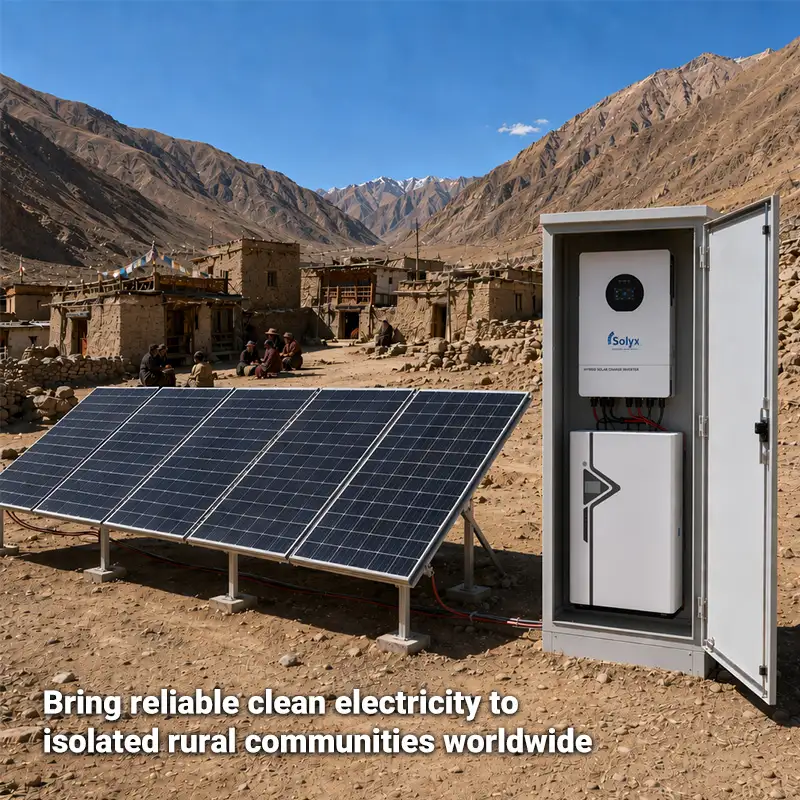
The modern home requires a resilient and reliable power source. Between fluctuating grid prices, extreme weather events, and an increasing reliance on electronic devices, relying solely on traditional utility companies is becoming a gamble. This is where a complete hybrid solar system kit steps in, offering a robust solution that bridges the gap between total grid dependence and complete isolation. By combining the benefits of an off grid solar power system with the security of grid connection, homeowners can finally achieve energy independence without sacrificing peace of mind.
What is a Hybrid Solar System?
At its core, a hybrid system utilizes solar panels to generate electricity, just like a standard home solar power system. The crucial difference lies in how that energy is managed and stored. A hybrid system incorporates battery storage, allowing you to save excess solar energy generated during the day for use at night or during power outages.
However, unlike a purely off-grid setup, a hybrid system remains connected to the local utility grid. This dual connection provides the ultimate flexibility:
- Self-Consumption: Your home draws power from the solar panels first.
- Battery Backup: Excess solar power charges your battery bank.
- Grid Support: If your batteries are full and you’re still producing excess power, you can often sell it back to the grid (net metering). Conversely, if your solar panels and batteries cannot meet your energy demands (e.g., during a prolonged period of bad weather), your home seamlessly draws power from the grid.
The Components of a Complete Kit
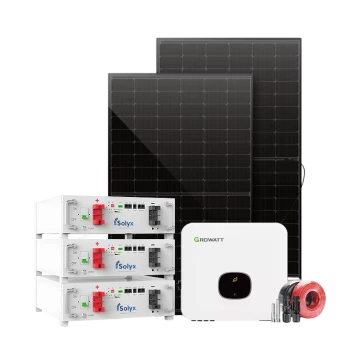
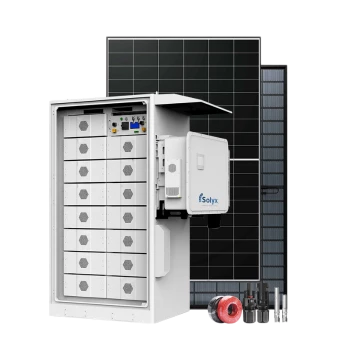
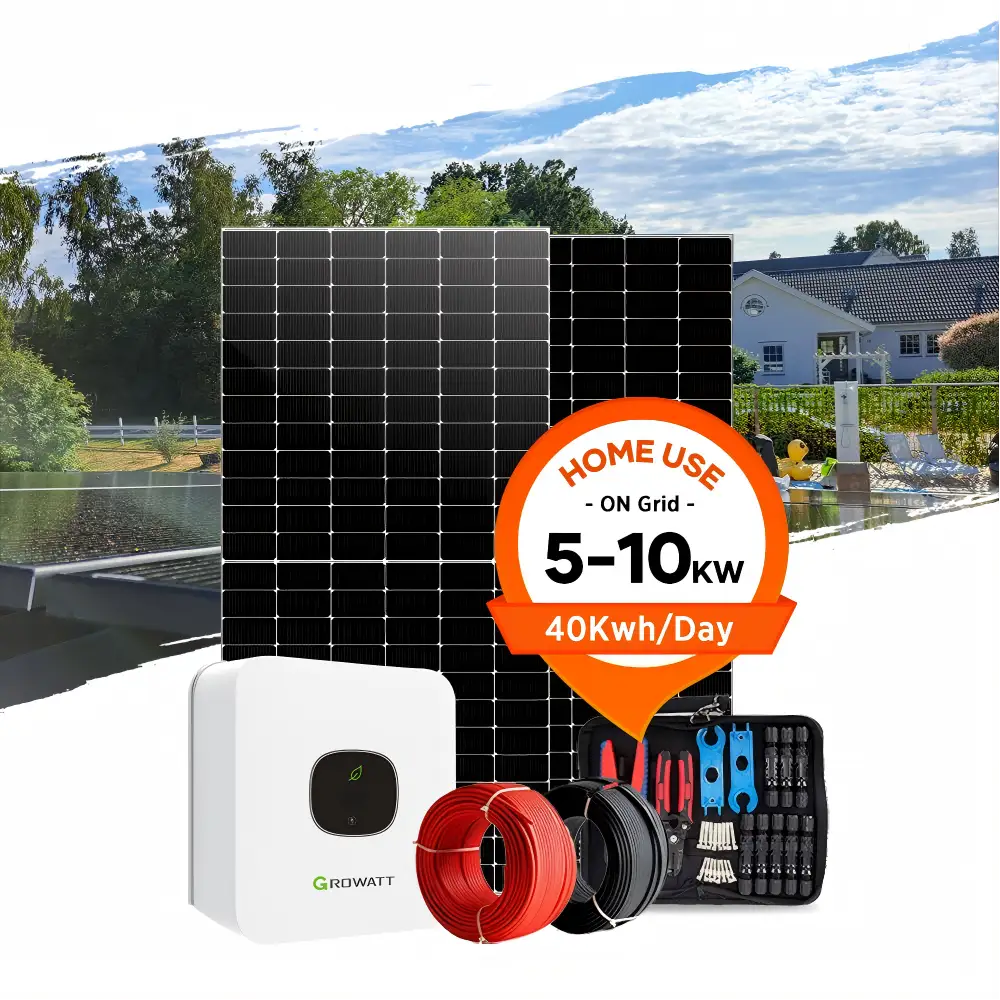
Investing in a pre-packaged solar power kit ensures all components are compatible and optimized for maximum efficiency. A complete kit typically includes:
- Solar Panels: High-efficiency photovoltaic panels designed to capture maximum sunlight.
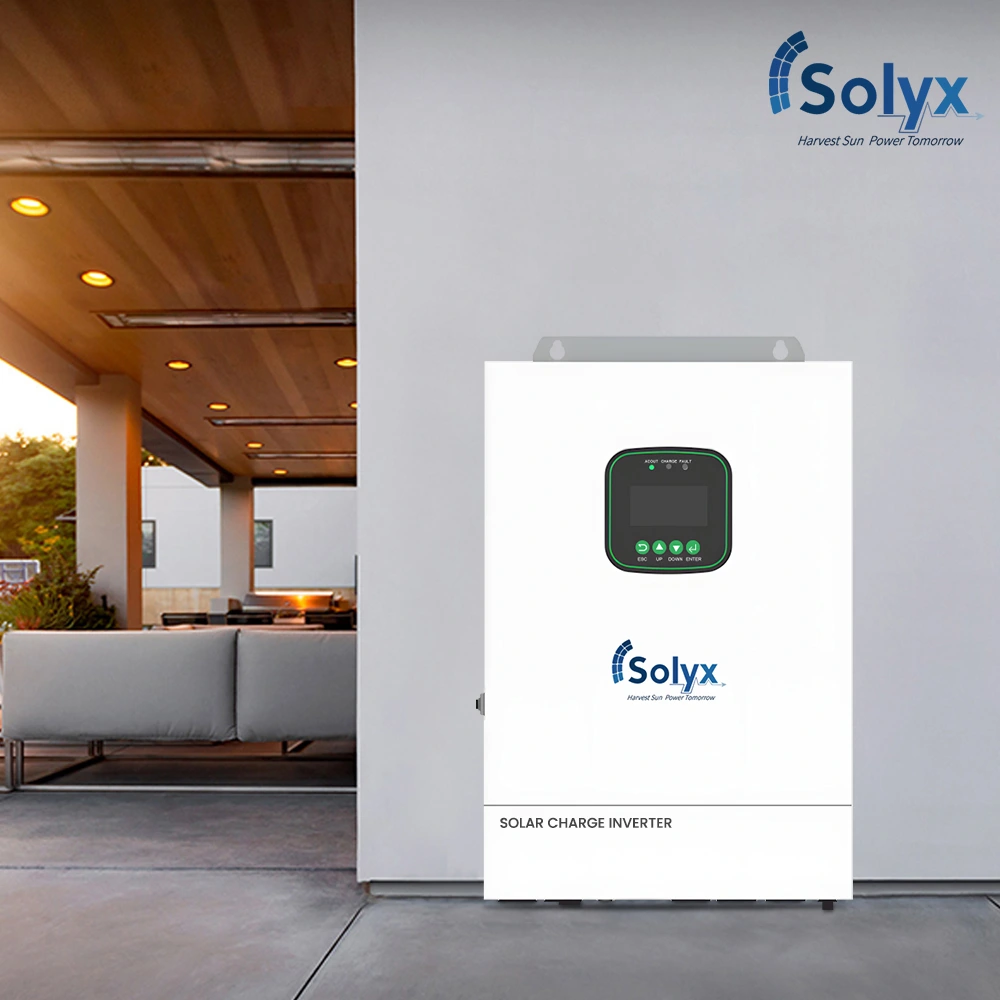
- Hybrid Inverter: The brain of the system, this crucial component manages the flow of electricity between the panels, the batteries, the home, and the grid.
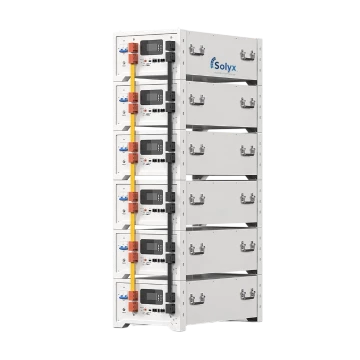
- Battery Bank: Usually lithium-ion or LiFePO4 batteries, providing reliable residential solar energy storage.
- Mounting Hardware: Sturdy racking systems for secure installation on your roof or ground.
- Cabling and Connectors: Necessary wiring for a safe and code-compliant setup.
- Monitoring System: Software or an app to track energy production and consumption in real-time.
Comparing System Types
To better understand the advantages, let’s look at how hybrid systems compare to other popular setups:
| Feature | Grid-Tied System | Off Grid Solar Power System | Hybrid Solar System |
|---|---|---|---|
| Grid Connection | Yes | No | Yes |
| Battery Storage | Optional (Rare) | Mandatory | Mandatory |
| Outage Protection | No (shuts down for safety) | Yes (relies solely on batteries) | Yes (draws from batteries) |
| Energy Independence | Low to Medium | Very High | High |
| Upfront Cost | Lowest | Highest | Moderate to High |
| Ideal For | Reducing utility bills in stable grid areas. | Remote locations, complete self-reliance. | Maximizing savings and ensuring uninterruptible home power supply. |
Key Benefits of a Hybrid System for Your Home
Choosing a complete hybrid solution offers numerous advantages for the modern homeowner.
1. Unmatched Energy Security
The primary advantage is home power outage protection. When the grid goes down, your hybrid inverter automatically switches to battery power, keeping your essential appliances—refrigerators, lights, medical equipment, and communication devices—running seamlessly. This is a critical feature for areas prone to severe storms or rolling blackouts.
2. Maximized Savings and ROI
A standard grid-tied system only saves you money when the sun is shining. A hybrid system allows you to practice “time-of-use” optimization. You can store cheap solar energy generated during the day and use it during peak evening hours when utility rates are often highest. This strategy significantly reduces your reliance on expensive grid power, accelerating your return on investment.
3. A Stepping Stone to Off-Grid Living
For those intrigued by the idea of an off grid solar power system but hesitant to take the full leap, a hybrid setup offers a safe middle ground. You get the benefits of battery storage and self-reliance while maintaining the grid as a safety net. If you eventually decide to expand your solar array and battery bank, you can transition to total independence more easily.
4. Increased Property Value
Homes equipped with reliable, renewable energy systems are increasingly attractive to buyers. A professionally installed whole-house solar battery backup system can significantly boost your property’s resale value, making it a smart long-term investment.
Ideal Application Scenarios
A hybrid system isn’t just for a specific type of home; its versatility makes it suitable for various situations:
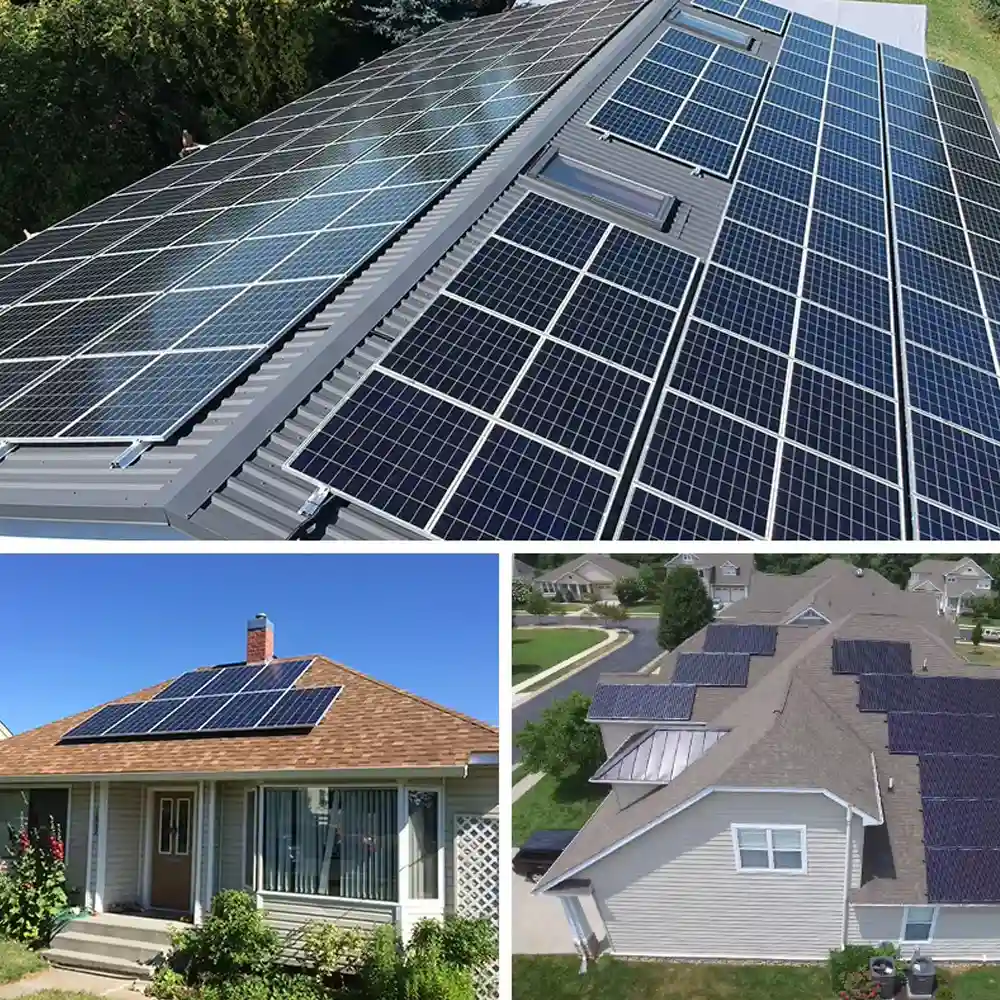
- Suburban Homes: Perfect for families looking to lower their monthly bills and ensure their digital lives aren’t interrupted by grid failures.
- Rural Properties: Ideal for locations where grid power is unreliable or subject to frequent voltage fluctuations.
- Small Businesses (Home-Based): Ensuring your home office remains operational during outages is crucial for productivity. A hybrid system provides that necessary commercial-grade solar reliability on a residential scale.
- Eco-Conscious Households: Maximize your use of clean energy and minimize your carbon footprint by utilizing stored solar power at night instead of fossil-fuel-generated grid electricity.
Why Choose a Complete Kit?
While it is possible to piece together a home solar power system component by component, opting for a complete kit is generally the smarter choice for most homeowners. Kits are engineered for synergy. The inverter is perfectly matched to the battery capacity, and the panels are sized to provide adequate charging power. This eliminates the guesswork and potential compatibility issues that can plague DIY setups.
Furthermore, companies specializing in complete kits often provide comprehensive warranties and dedicated technical support. This peace of mind is invaluable when investing in critical home infrastructure. When considering options, looking into established providers like Solyx can offer a sense of the quality and integration you should expect from a top-tier hybrid system. Solyx designs their kits with user experience and long-term durability in mind.
Conclusion
Securing your home’s energy supply is no longer a luxury; it’s a necessity. A complete hybrid solar system kit offers the perfect balance of independence, security, and economic efficiency. By harnessing the power of the sun and storing it intelligently, you can protect your family from grid instability, reduce your environmental impact, and take control of your energy future. Whether you are looking for a comprehensive renewable energy smart home integration or simply want to keep the lights on during a storm, a hybrid system provides a robust and reliable solution.
Frequently Asked Questions (FAQs)
1. How long will the batteries in a hybrid solar system last during a power outage?
The duration your batteries will last depends entirely on two factors: the capacity of your battery bank (measured in kilowatt-hours, kWh) and how much power you are consuming. If you only power essential loads (like a fridge, some lights, and charging phones), a standard residential battery bank can easily last overnight or even a few days if you are careful. If you try to run high-draw appliances like air conditioning or electric ovens, the battery will deplete much faster. A properly sized system will be tailored to your specific critical load requirements.
2. Can a hybrid system completely eliminate my electric bill?
While a hybrid system significantly reduces your reliance on the grid, completely eliminating your electric bill is challenging, though possible in some scenarios. Most utility companies charge a fixed monthly connection fee regardless of your energy usage. However, if your system generates enough excess power and your utility offers favorable net metering policies, you can offset your usage charges entirely and potentially even earn credits, leaving you only with the small connection fee.
3. What maintenance is required for a hybrid solar system kit?
Hybrid systems require minimal maintenance, especially those utilizing modern lithium-ion or LiFePO4 batteries. The solar panels should be kept relatively clean and free of debris (like leaves or snow) to ensure optimal performance; a simple rinse with a hose is usually sufficient. The batteries are typically maintenance-free, requiring no watering or equalization like older lead-acid batteries. The most important maintenance step is to periodically check your system’s monitoring app to ensure everything is operating normally and generating power as expected.