

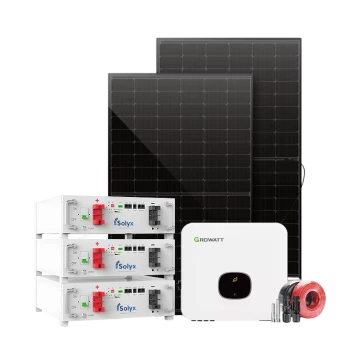
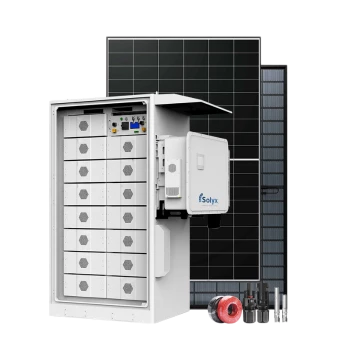
Solar Hybrid Inverter Guide: Functions, Types & Off-Grid Benefits
Release time: 2026-07-17
Table of Contents
As the world increasingly turns towards sustainable energy solutions, the demand for efficient and versatile solar technology is at an all-time high. At the heart of a modern, resilient solar power system lies a critical component: the hybrid inverter. Whether you are aiming to reduce your reliance on the traditional power grid, ensure energy security during outages, or maximize your return on investment in solar panels, understanding the role of a solar battery hybrid inverter is essential. This comprehensive guide explores the functions, different types, and significant benefits of utilizing hybrid inverters, particularly in off-grid and energy storage scenarios.
What is a Solar Hybrid Inverter?
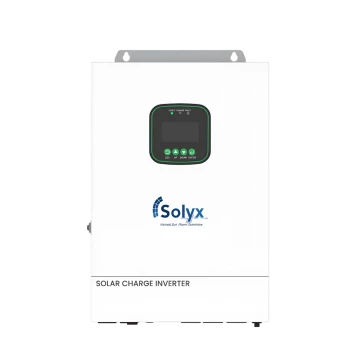
Traditionally, a solar inverter’s primary job is to convert the direct current (DC) electricity generated by solar panels into alternating current (AC) electricity, which is used by most household appliances. However, a hybrid inverter, often referred to as a multi-mode inverter, takes this a step further.
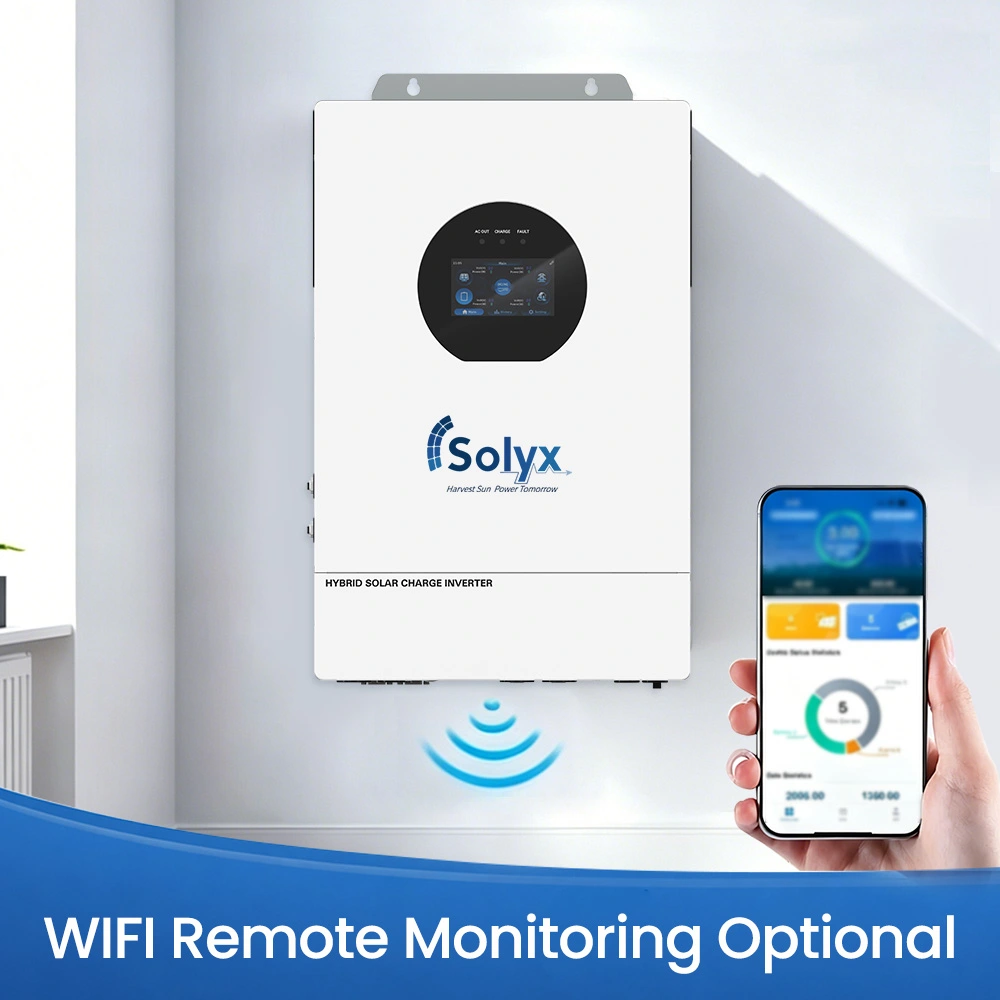
A hybrid inverter intelligently manages power from multiple sources: solar panels, the utility grid, and a battery storage system. It acts as the central brain of your energy setup. When the sun is shining, it directs solar energy to power your home and charges the batteries. If the solar panels aren’t producing enough power, it seamlessly draws from the battery bank. And, if both solar and battery power are insufficient, a grid-tied hybrid inverter can pull electricity from the utility grid. Conversely, it can also export excess solar power back to the grid for net metering credits, depending on local regulations.
This dynamic management capability makes the energy storage inverter a vital tool for achieving true energy independence and optimizing your power consumption.
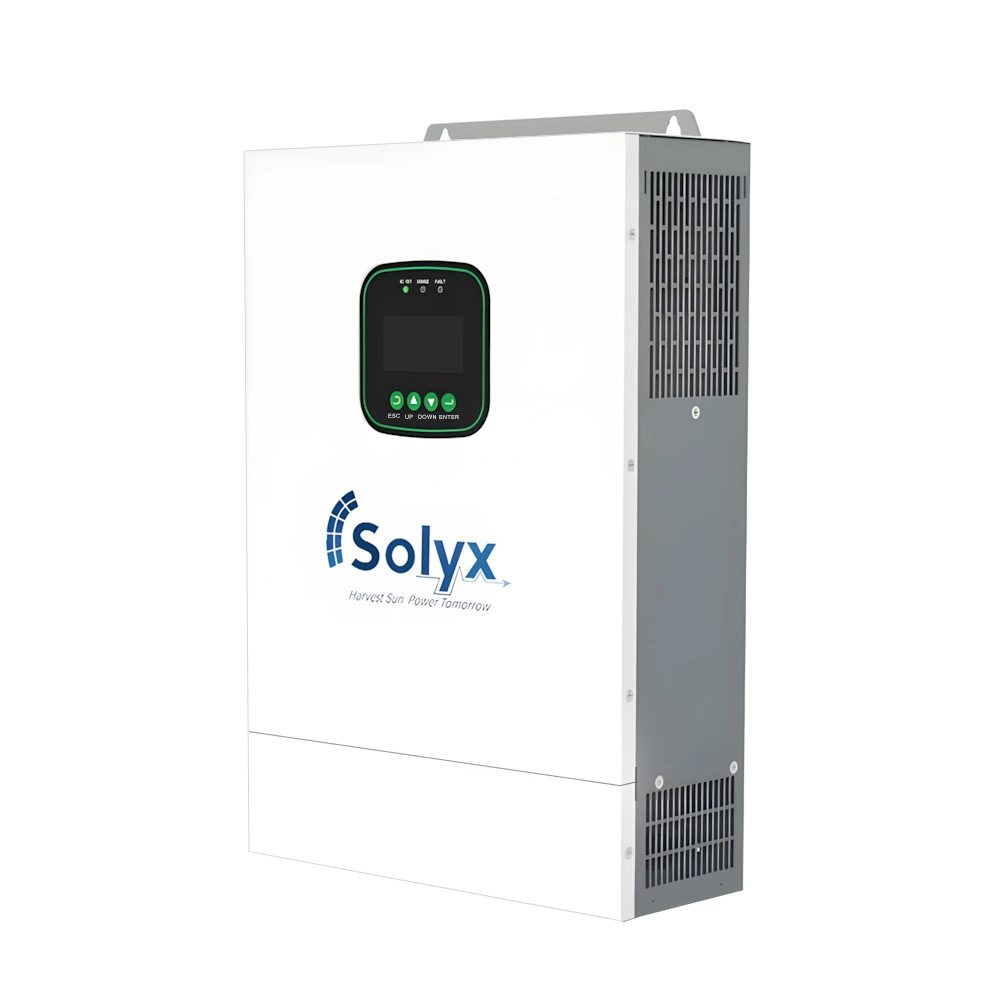
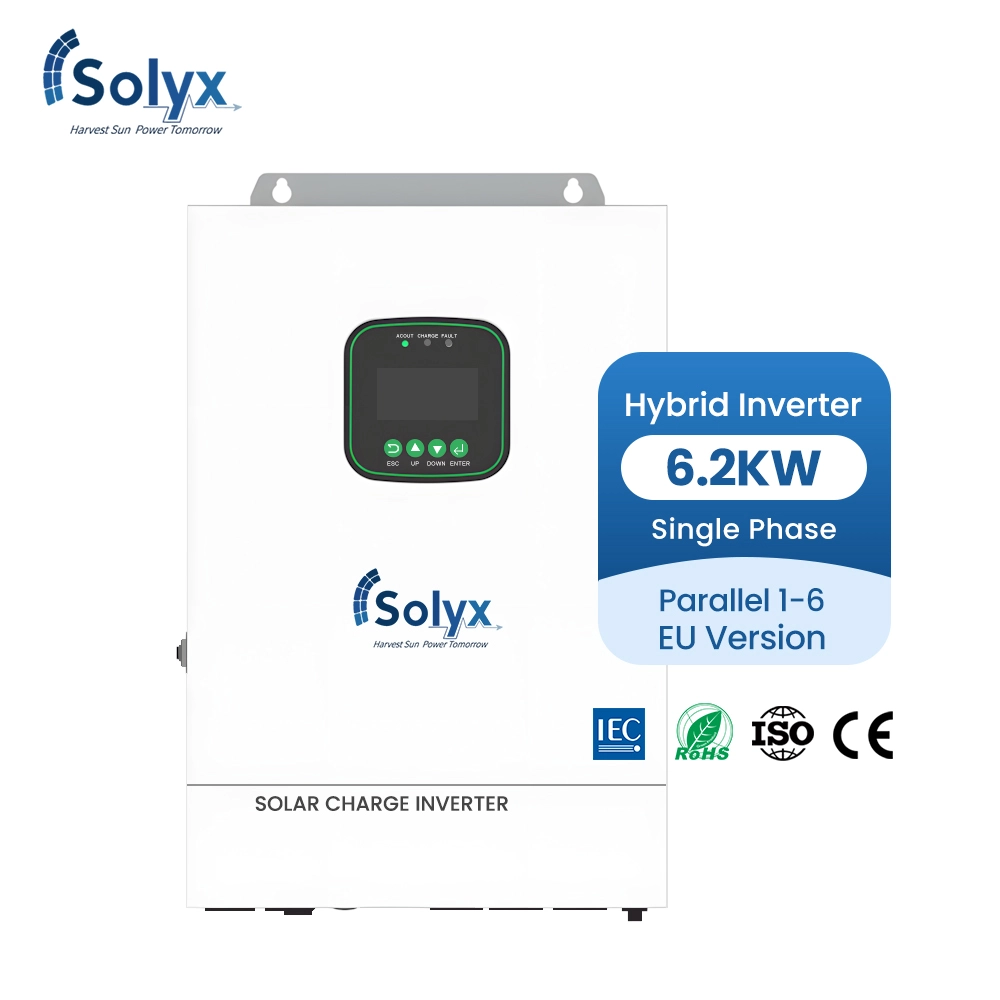
Key Functions of a Hybrid Inverter
The versatility of a hybrid inverter stems from its multiple, integrated functions:
- DC-to-AC Conversion: Like standard string inverters, they convert solar DC power into usable AC power for your home or business.
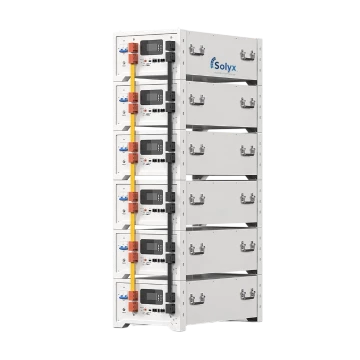
- Battery Charging and Discharging (AC-to-DC & DC-to-AC): They manage the flow of electricity into the battery system for storage (converting AC to DC if charging from the grid, though typically they charge directly via DC from solar) and convert the stored DC power back to AC when needed. This is the core function of an energy storage inverter.
- Power Management and Routing: They constantly monitor energy production and consumption, deciding in real-time whether to use solar power immediately, store it, draw from the grid, or feed excess back to the grid.
- Backup Power (Island Mode): In the event of a grid failure, many hybrid inverters can automatically disconnect from the grid and continue to supply power to critical loads using stored battery energy, acting as a reliable backup power source for homes.
Types of Solar Inverters
To fully appreciate the hybrid model, it’s helpful to understand the other common types of solar inverters:
| Inverter Type | Primary Function | Grid Connection | Battery Integration | Best Use Case |
|---|---|---|---|---|
| String Inverter | Converts DC to AC. | Requires Grid. | No direct integration (requires separate AC-coupled battery system). | Simple, grid-dependent solar setups without immediate storage needs. |
| Off-Grid Inverter | Converts DC to AC; manages batteries. | No Grid Connection. | Essential. | Remote cabins, RVs, areas with zero grid access. |
| Hybrid Inverter | Manages solar, grid, and batteries. | Yes (can operate with or without). | Seamless integration. | Homes seeking energy independence, backup power, and TOU (Time of Use) optimization. |
As the table shows, the hybrid inverter bridges the gap between purely grid-dependent systems and completely isolated off-grid setups, offering the best of both worlds.
The Off-Grid and Energy Security Benefits
While a grid-tied hybrid inverter is excellent for maximizing self-consumption and navigating complex utility rates, the true power of these devices shines when combined with battery storage for energy resilience.
Uninterrupted Power Supply (UPS)
Power outages, whether caused by severe weather or grid instability, are becoming more frequent. A robust solar battery hybrid inverter system provides a seamless transition to backup power. When the grid goes down, the inverter detects the loss of voltage and switches to “island mode,” drawing on your stored battery power to keep essential appliances—like refrigerators, medical equipment, and lighting—running without interruption.
Maximizing Solar Self-Consumption
Without storage, any solar power generated that you don’t immediately use is sent back to the grid. While net metering compensates you for this, the rates are often lower than what you pay for electricity. An energy storage inverter allows you to store that excess daytime production and use it during the evening or night, significantly reducing your reliance on utility power and lowering your electricity bills.
Time-of-Use (TOU) Arbitrage
Many utility companies charge higher rates for electricity during peak demand hours (typically late afternoon and evening). A smart hybrid system can be programmed to charge batteries during off-peak hours (when electricity is cheap) or using free solar energy, and then discharge that stored power during peak hours. This smart energy management system strategy minimizes your exposure to high utility rates.
The Path to Complete Off-Grid Living
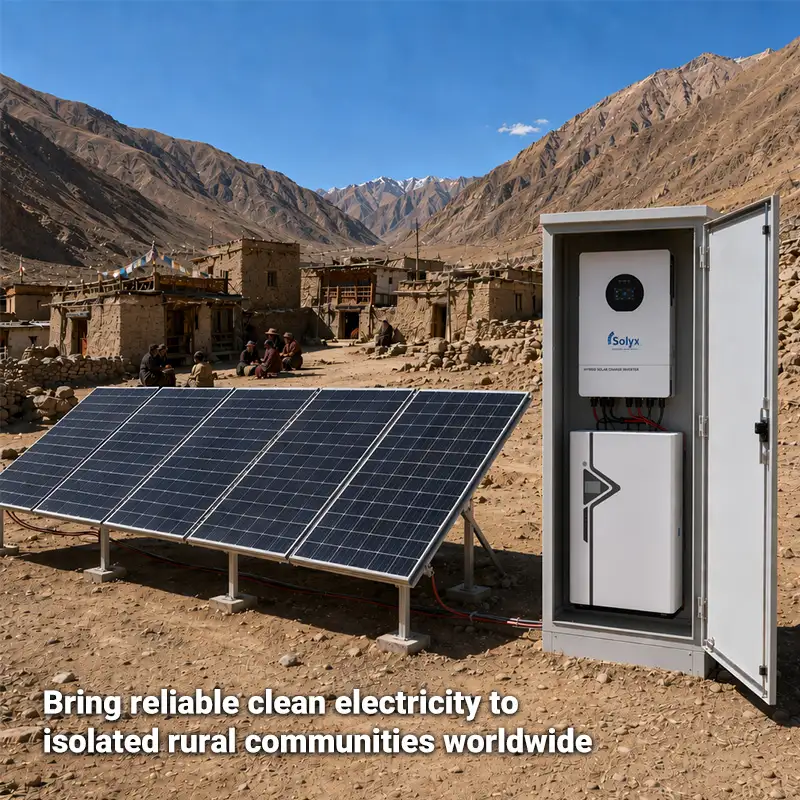
For those seeking complete independence from the utility company, a robust hybrid inverter is non-negotiable. It manages the delicate balance of solar generation and battery storage necessary to power a home 24/7 without a grid connection. Companies like Solyx understand this need, focusing on providing reliable technology for sustainable, self-sufficient living. A well-designed off-grid solar power system relies heavily on the inverter’s ability to efficiently manage deep battery cycling and handle surge loads from heavy appliances.
Choosing the Right System with Solyx
Investing in a hybrid solar system is a significant step towards energy security and environmental responsibility. It’s crucial to select components that are reliable, efficient, and capable of meeting your specific energy demands. Solyx offers solutions designed to integrate seamlessly, ensuring that your transition to intelligent solar power is smooth and highly effective. When considering a solar battery hybrid inverter, prioritize features like high surge capacity, seamless backup transition times, and comprehensive monitoring software to truly take control of your energy future.
Frequently Asked Questions (FAQ)
1. Can a hybrid inverter work without batteries?
Yes, many hybrid inverters can function as standard grid-tied inverters without a battery bank installed. However, without batteries, you will not have backup power during a grid outage, and you won’t be able to store excess solar energy for nighttime use. The system will simply shut down for safety reasons when the grid goes down.
2. What is the difference between an AC-coupled and a DC-coupled hybrid system?
A DC-coupled system uses a single hybrid inverter to manage both the solar panels and the battery. The solar energy charges the battery directly in DC form, which is generally more efficient. An AC-coupled system involves adding a separate battery inverter to an existing solar string inverter setup. While AC coupling is great for retrofitting existing systems, DC-coupled hybrid inverters are usually the preferred, more streamlined choice for new installations.
3. How long will a solar battery hybrid inverter power my home during an outage?
The duration of backup power depends entirely on the size (capacity) of your battery bank and how much electricity you consume during the outage. If you only power essential loads (like lights and a fridge), a standard battery might last a day or more. If you try to run heavy appliances like air conditioning, the battery will deplete much faster. A properly sized system will be tailored to your specific backup needs.