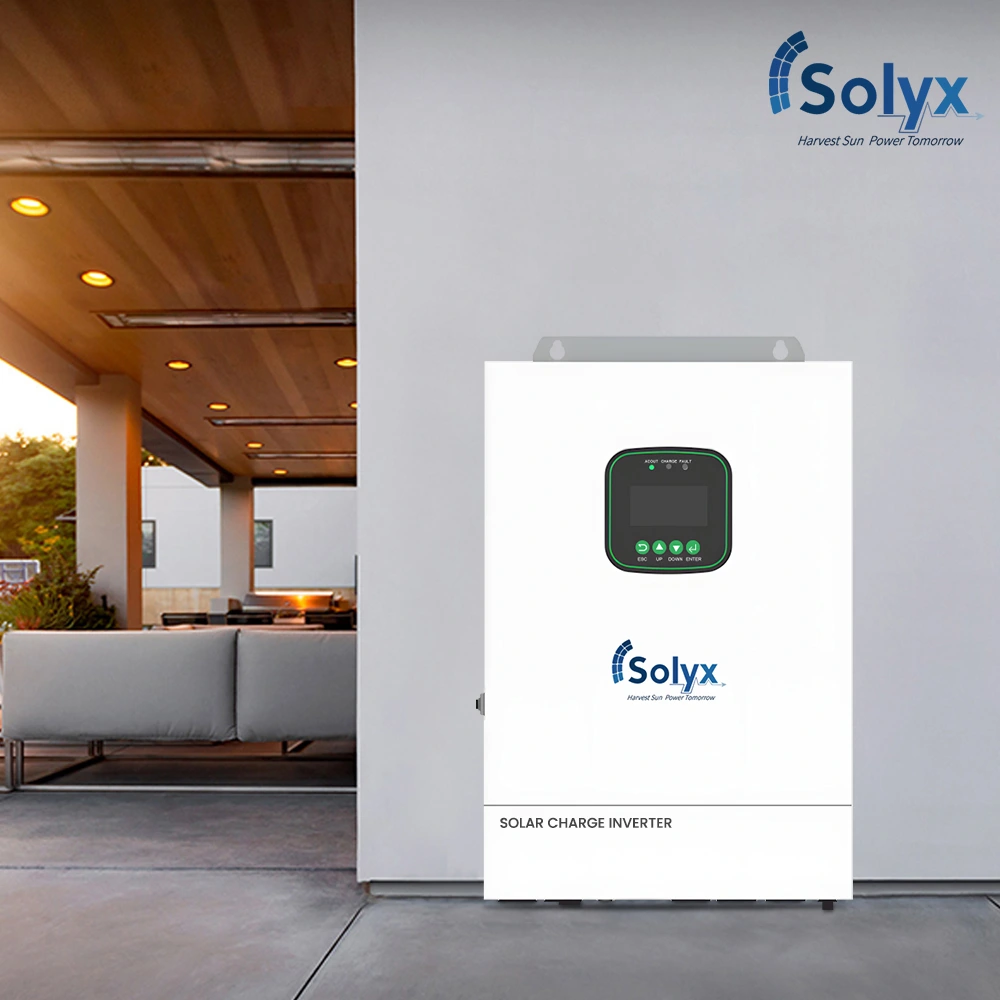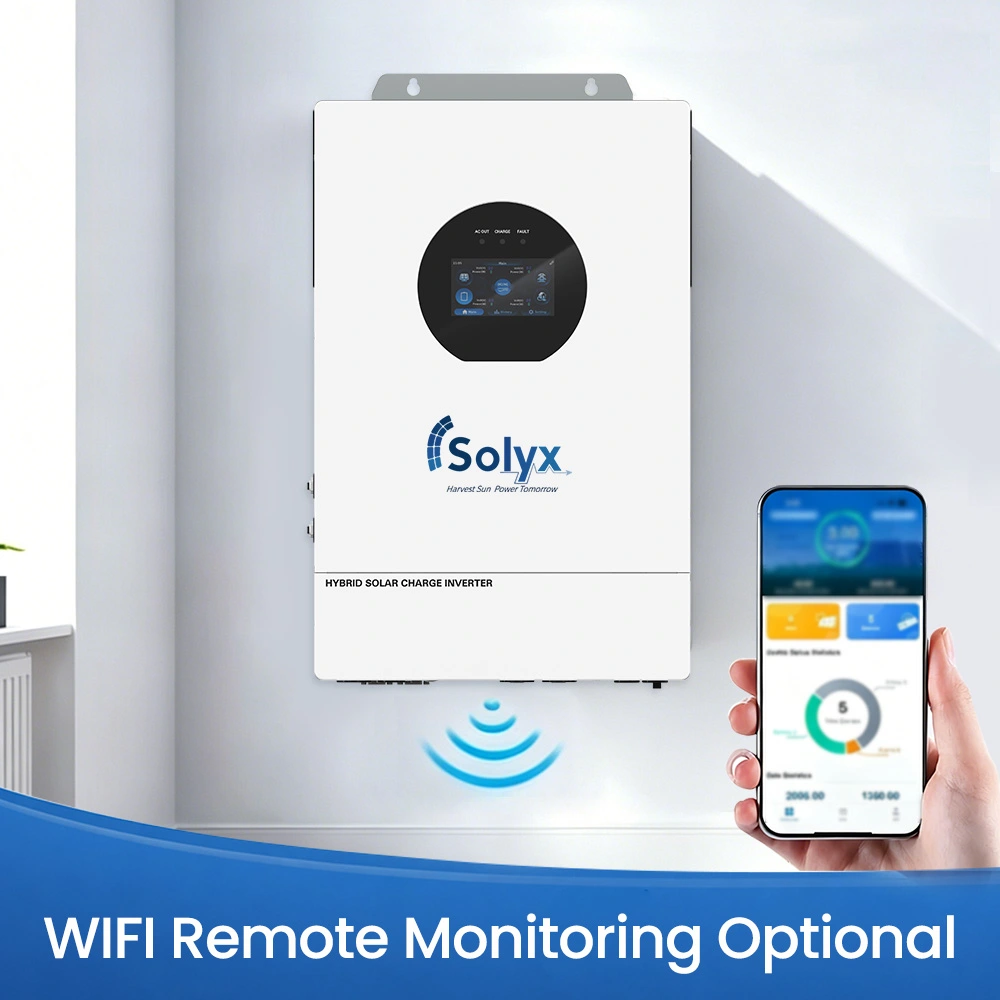


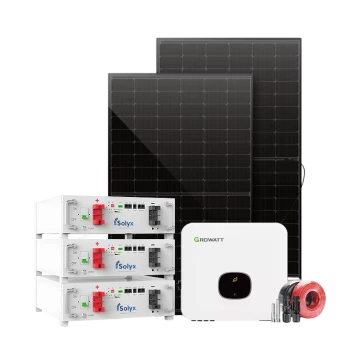
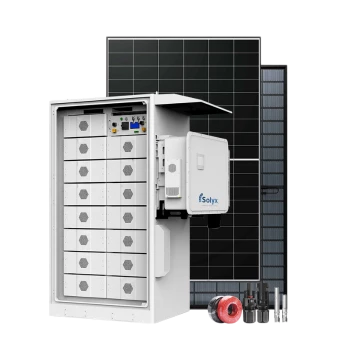
Hybrid Inverter for Solar: Pros and Cons
Release time: 2026-06-18
Table of Contents
As the global transition toward renewable energy accelerates, homeowners and businesses alike are seeking more efficient ways to harness, store, and utilize solar power. The traditional approach of simply feeding excess energy back into the electrical grid is no longer the only—or even the most lucrative—option. At the heart of today’s most versatile photovoltaic (PV) setups is the hybrid inverter. This advanced piece of technology bridges the gap between basic solar generation and comprehensive energy independence.
However, before upgrading your home or facility, it is crucial to understand both the advantages and the limitations of this equipment. In this comprehensive guide, we will explore how these multi-mode devices operate, evaluate their pros and cons, and help you determine if they are the right investment for your energy needs.
What is a Multi-Mode Solar Converter?
To understand the value of these devices, we first need to look at how traditional solar systems function. A standard grid-tied converter takes direct current (DC) electricity generated by your solar panels and turns it into alternating current (AC) electricity for your home appliances. If you produce more energy than you consume, it goes to the grid. If the grid goes down, your system shuts down for safety reasons.
Conversely, an off-grid converter relies entirely on battery banks and generators. The modern multi-mode solar converter combines the functionalities of both. It acts as an intelligent traffic director for your electricity. It can simultaneously manage inputs from solar panels, the municipal utility grid, and a battery storage bank. By doing so, it provides unparalleled flexibility, allowing users to draw from the most efficient or cost-effective power source at any given millisecond.
The Distinct Advantages of Intelligent Energy Managers
Investing in this type of dual-function system brings a multitude of benefits, particularly for those looking to future-proof their properties.
1. Uninterrupted Power Supply and Resilience
One of the most significant selling points is the ability to maintain electricity during blackouts. They are the perfect core for grid-tied systems with battery backup, ensuring that your essential appliances—like refrigerators, medical devices, and security systems—keep running when utility lines fail. By instantly switching to battery power, these devices guarantee you have reliable backup power during grid outages, providing peace of mind in areas prone to extreme weather or unreliable infrastructure.
2. Maximized Energy Self-Consumption
Instead of sending your valuable surplus solar energy back to the utility company for pennies on the dollar, these intelligent managers route that excess power into your battery bank. Later in the evening, when your panels are no longer producing power, the system draws from the batteries rather than the expensive utility grid. Over time, many homeowners view these setups as incredibly cost-effective energy storage systems, significantly drastically reducing monthly utility bills.
3. Time-of-Use (TOU) Rate Optimization
For regions where electricity costs fluctuate based on the time of day, these devices are a financial game-changer. They seamlessly integrate with smart home energy management protocols. You can program the system to charge batteries from the grid during off-peak hours when electricity is cheap, and discharge that stored power during peak evening hours when rates skyrocket.
4. Simplified Installation and Upgrades
In the past, adding batteries to an existing solar setup required retrofitting an entirely separate battery manager. With a combined unit, the solar charge controller and the battery manager are housed within a single chassis. This streamlined design is highly attractive for those exploring residential solar power solutions, as it reduces the amount of hardware mounted on your garage wall and simplifies the wiring process.
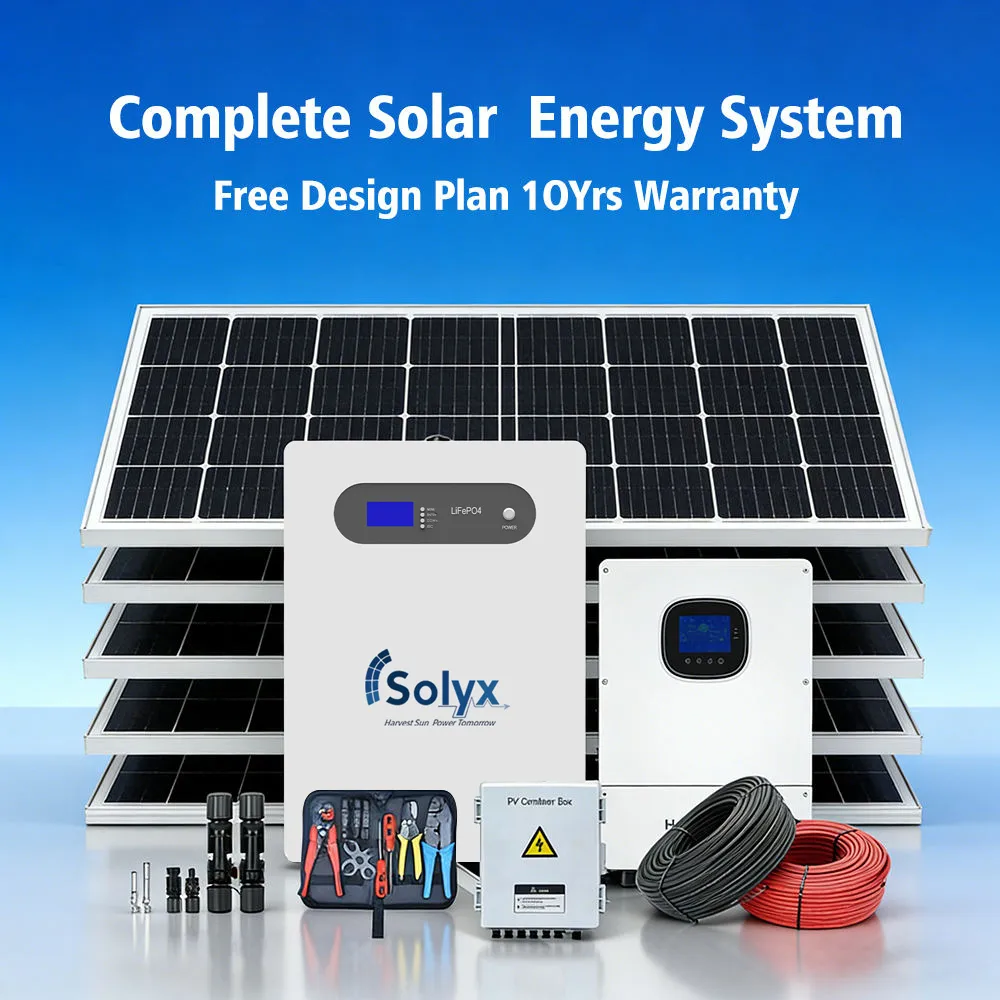
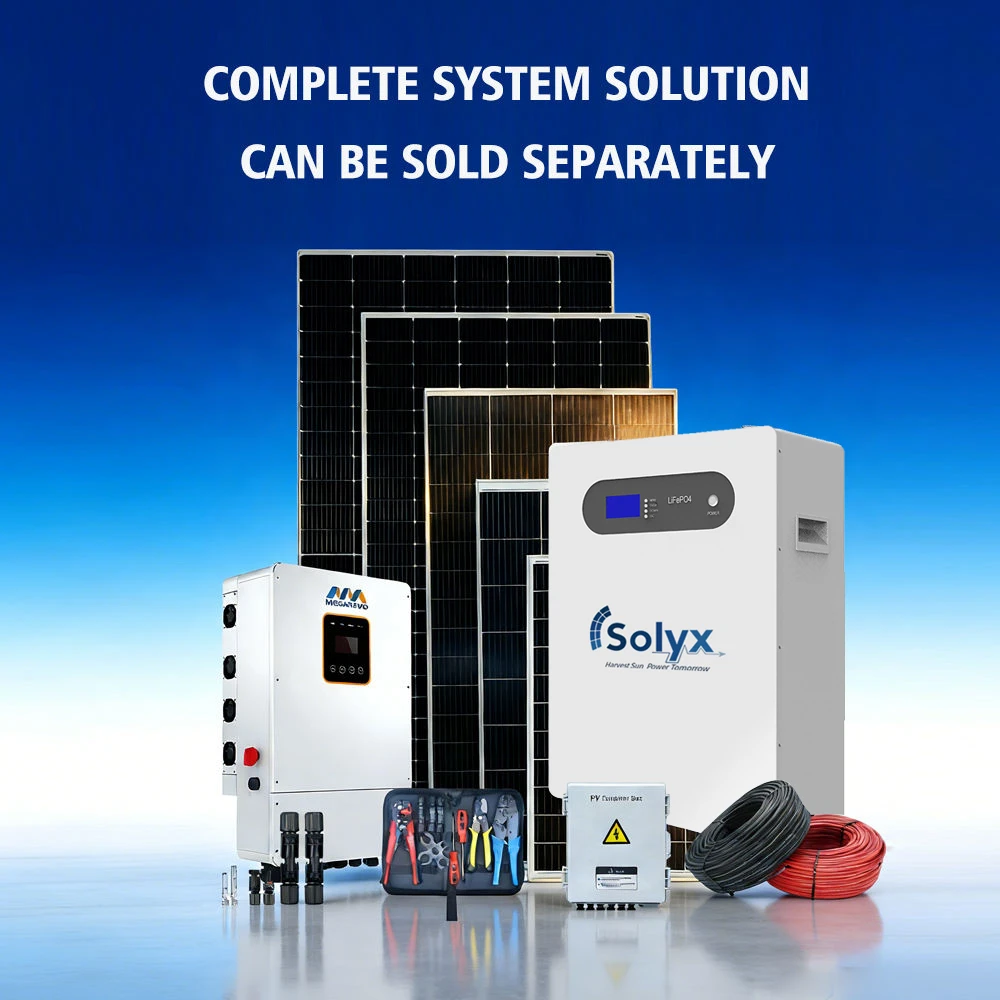
The Disadvantages and Limitations to Consider
Despite their impressive versatility, these advanced energy directors are not a universal silver bullet. There are several drawbacks you must weigh before making a purchase.
1. Higher Initial Upfront Costs
The most immediate barrier to entry is the price tag. Because they contain complex internal components—essentially merging two or three different pieces of equipment into one box—they are significantly more expensive than a standard string converter. While they save money on utility bills over the long term, the initial capital expenditure can be prohibitive for budget-conscious buyers.
2. Reduced Efficiency in Extreme Niche Applications
While they are jacks-of-all-trades, they may not be the absolute masters of specific extremes. For instance, if you are designing dedicated off-grid solar setups for remote cabins with zero utility connection ever, a specialized, heavy-duty off-grid setup might be more robust and slightly more efficient at handling massive battery surges than a multi-mode unit designed primarily for grid interaction.
3. Equipment Compatibility Restrictions
Not all batteries work with all multi-mode systems. Many manufacturers design their converters to communicate exclusively with specific brands of lithium-ion or LiFePO4 batteries. This closed-ecosystem approach can limit your choices when shopping for storage and might force you into buying more expensive, brand-name battery packs to ensure seamless integration.
4. Future Capacity Limitations
Most of these units have a maximum power rating for both solar input and battery output. If your household’s energy demands grow significantly in the future (for example, adding multiple electric vehicles or a heated pool), you might find that the device you purchased cannot handle the increased load, requiring a complete and costly replacement rather than a simple upgrade.
Summary: Pros and Cons Comparison
To help you make a quick and informed decision, here is a breakdown of the primary advantages and disadvantages:
| Feature / Aspect | The Pros (Advantages) | The Cons (Disadvantages) |
| Financial Impact | Lowers long-term utility bills via TOU shifting and maximized self-consumption. | Higher initial purchase price compared to standard equipment. |
| Reliability | Provides seamless electricity during grid failures. | Can be less robust in 100% permanent off-grid environments. |
| Installation | Streamlined aesthetics; fewer boxes on the wall. | Strict compatibility rules with certain battery brands. |
| System Flexibility | Acts as an all-in-one smart director for multiple power sources. | Harder to scale up if power demands exceed the unit’s maximum rating. |
Ideal Use Cases and Applications
So, who benefits the most from this technology?
Primarily, they are ideal for homeowners living in areas with unstable utility grids or regions with aggressive Time-of-Use pricing structures. They serve as the perfect foundation for anyone who wants to start with solar today and add battery storage in a year or two, as the system is “battery-ready” from day one.
Furthermore, the technology is scaling up. Today, commercial multi-mode inverters are helping businesses avoid peak demand charges, ensuring that factories and server rooms experience zero downtime while significantly lowering operational overhead.
Final Thoughts
The decision to invest in a multi-mode solar energy manager ultimately comes down to your specific goals, your budget, and your local utility landscape. If you prioritize energy independence, financial optimization against fluctuating electricity rates, and protection against blackouts, the higher initial investment is easily justified. By carefully assessing your current and future energy needs, you can build a resilient, efficient, and sustainable power infrastructure for decades to come.
Frequently Asked Questions (FAQs)
Q1: Can a multi-mode solar setup function without battery storage connected?
Yes, absolutely. Most of these intelligent units can operate just like a standard grid-tied system when first installed. This allows you to harvest solar energy immediately and gives you the flexibility to purchase and plug in a battery storage bank at a later date when your budget allows.
Q2: Will this system allow me to go completely off the utility grid?
While they are highly capable of powering your home during an outage, they are generally designed to remain connected to the utility. If your goal is to sever ties with the power company permanently, you will need an exceptionally large battery bank and perhaps a backup diesel or gas generator. For 100% off-grid living, specialized off-grid equipment is sometimes a better fit.
Q3: How long do these advanced energy managers typically last?
Generally, you can expect a lifespan of 10 to 15 years for the electronic unit itself, which is standard across the PV industry. Many reputable manufacturers offer warranties ranging from 5 to 12 years. Keep in mind that the connected lithium batteries will likely have their own separate lifespan and warranty, typically retaining 80% capacity after 10 years of daily cycling.