

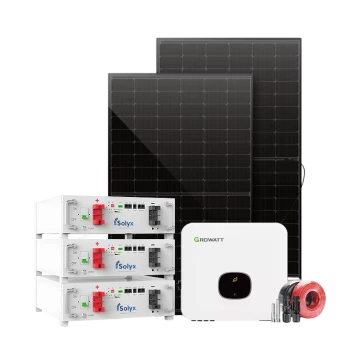
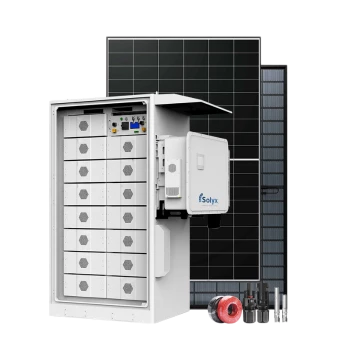
Why Split-Phase Hybrid Inverters Are Essential for North American Homes
Release time: 2026-08-28
The transition towards energy independence has never been more critical for homeowners across North America. With fluctuating grid reliability, rising electricity costs, and an increasing desire to reduce carbon footprints, integrating solar power has become a mainstream solution. However, to truly harness the power of the sun and achieve seamless energy resilience, having the right technology at the heart of your system is paramount. For the vast majority of North American households, this means utilizing a split-phase hybrid inverter. These advanced devices are not merely optional upgrades; they are the essential bridge between generating renewable energy and reliably powering the heavy-duty appliances that characterize modern living.
Understanding the specific electrical infrastructure of North American homes is the key to recognizing why this specialized equipment is necessary. Let’s delve into the mechanics of the split-phase system and explore why integrating the correct inverter is the cornerstone of a robust residential power strategy.
Understanding the North American Electrical Grid
To appreciate the necessity of a split-phase hybrid inverter, one must first understand how electricity is delivered to homes in the United States and Canada. Unlike many other parts of the world that use a single-phase 230V system, North America utilizes a unique “split-phase” system.
The Anatomy of Split-Phase Power
When power reaches a residential transformer on your street, it is stepped down to 240 volts (V). This 240V supply is then split into two separate 120V “legs” (or phases) before entering the home’s electrical panel.
This ingenious design provides a dual-voltage capability:
- 120V Circuits: By utilizing one of the 120V legs and a neutral wire, the system powers standard household items—lights, televisions, computers, and small kitchen appliances.
- 240V Circuits: By utilizing both 120V legs simultaneously, the system delivers the 240V necessary for high-demand, heavy-duty appliances such as central air conditioners, electric water heaters, electric clothes dryers, and EV chargers.
The Role of the Hybrid Inverter
An inverter’s primary job is to convert the direct current (DC) electricity generated by solar panels or stored in batteries into the alternating current (AC) electricity used by your home. A hybrid inverter takes this a step further by managing inputs from multiple sources simultaneously—usually the grid, solar panels, and a residential solar battery storage unit. It acts as the intelligent brain of your home’s energy network.
Why Standard Inverters Fall Short
If you attempt to use a standard single-phase 120V inverter in a North American home, you will immediately encounter a significant limitation: it cannot power your 240V appliances. During a grid outage, a single-phase inverter would only be able to energize one leg of your electrical panel, or require complex and often inefficient external autotransformers to try and step up the voltage. This means your air conditioning, oven, and clothes dryer would become unusable just when you might need them most.
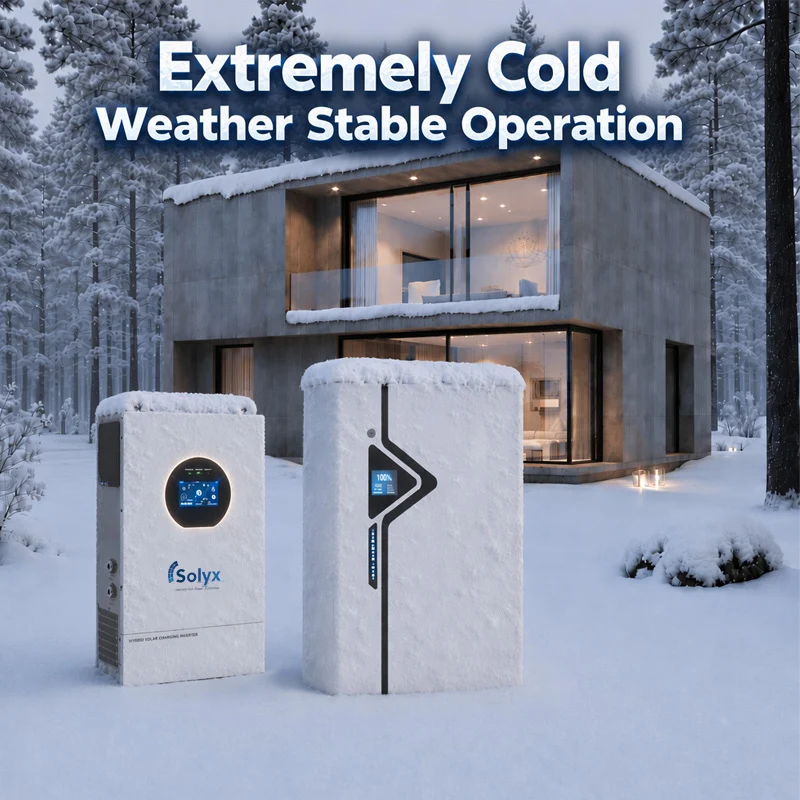
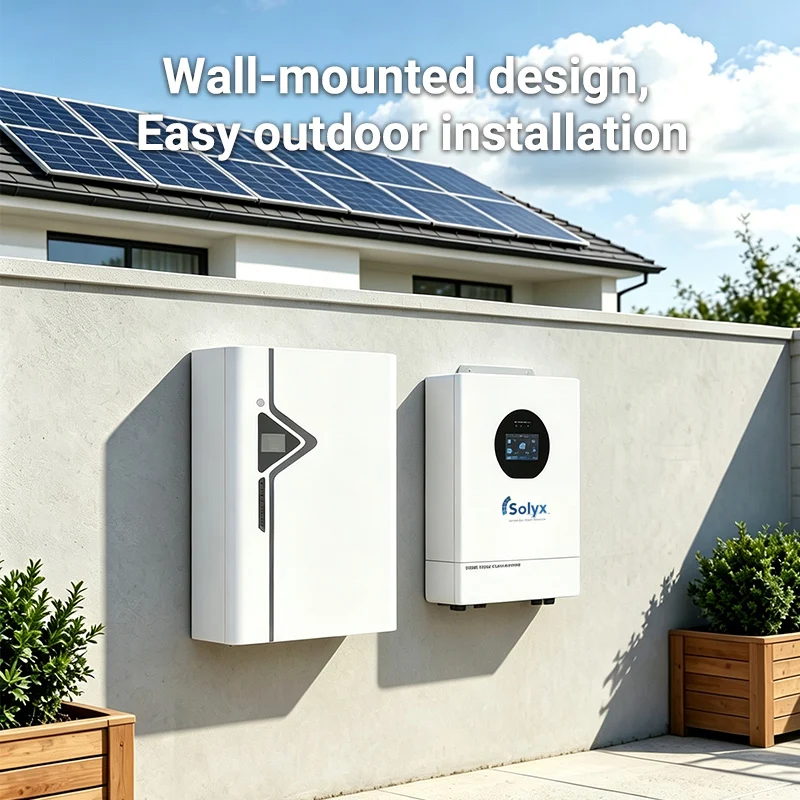
The Essential Advantages of Split-Phase Hybrid Inverters
A split-phase hybrid inverter is specifically engineered to mirror the North American grid. It outputs two 120V legs, creating a true 120V/240V supply natively, without the need for external transformers. This capability unlocks several crucial benefits.
1. Whole-Home Backup Capability
The most significant advantage is the ability to achieve comprehensive power backup. When paired with a robust home energy storage system, a split-phase inverter can seamlessly power both standard 120V outlets and heavy-duty 240V appliances during a blackout. This means your life doesn’t have to stop just because the grid goes down. You can continue running your central HVAC system to stay comfortable, use your electric range to cook, and keep your deep freezer running.
2. Superior Efficiency and System Simplicity
Because these inverters generate the required 120V/240V natively, they operate more efficiently than workarounds involving single-phase inverters and separate autotransformers. External transformers introduce conversion losses, generating heat and wasting precious stored energy. By integrating the split-phase capability directly into the inverter, the system runs cooler, reduces complexity in installation, and minimizes potential points of failure.
3. Balanced Load Management
Split-phase hybrid inverters are sophisticated enough to manage the power draw across both 120V legs. If one leg is drawing more power (for example, if many lights and standard appliances are on one specific circuit), the inverter balances the load, preventing overloads on a single phase and ensuring stable power delivery throughout the house.
4. Seamless Integration with Modern Storage
These inverters are designed to work hand-in-hand with modern lithium-ion batteries. They manage the charging and discharging cycles intelligently, maximizing the lifespan of your storage solution while ensuring that peak demand can be met efficiently.
Comparing Inverter Types for North American Homes
To highlight the differences, let’s look at a comparison of inverter options for a typical US or Canadian home.
| Feature | Single-Phase Inverter (120V only) | Single-Phase Inverter with External Autotransformer | Split-Phase Hybrid Inverter (Native 120/240V) |
|---|---|---|---|
| Powers 120V Appliances | Yes | Yes | Yes |
| Powers 240V Appliances Natively | No | No (Requires external hardware) | Yes |
| System Efficiency | High (but limited utility) | Lower (Transformer losses) | Highest |
| Installation Complexity | Low | High (More wiring/components) | Low to Moderate |
| Best Use Case | Small cabins, RVs (off-grid) | Retrofits (less common now) | Standard North American Residential Homes |
Maximizing the Value of Your Energy Investment
Investing in solar and storage is a significant financial commitment. The goal is to maximize self-consumption of the solar energy you generate and to ensure your home remains powered during emergencies.
When building a comprehensive home energy storage system, the inverter is not the place to compromise. Choosing a native split-phase unit ensures that your system can handle the rigorous demands of a modern household. It allows you to shift loads, avoiding high peak-demand charges from utility companies by running your heavy 240V appliances from stored battery power during the most expensive times of the day.
Furthermore, as the electrification of homes continues—with the shift toward heat pumps, electric induction stoves, and electric vehicles—the reliance on robust 240V power will only increase. A split-phase inverter future-proofs your investment, guaranteeing that your home’s energy infrastructure is prepared for tomorrow’s demands.
Conclusion
For homeowners in North America looking to achieve true energy resilience and independence, understanding the local electrical grid is vital. The necessity of 120V/240V power makes the split-phase hybrid inverter an indispensable component. It provides the efficiency, the simplicity, and crucially, the power required to run the heavy-duty appliances that keep our homes comfortable and functional. When paired with a reliable residential solar battery storage setup, these inverters offer peace of mind, knowing that your entire home—not just a few lights—will remain powered regardless of grid conditions.
Frequently Asked Questions (FAQ)
1. Can I use a single-phase inverter for my house if I don’t use many large appliances?
While technically possible to power only 120V circuits, it is highly discouraged for standard homes. If you ever need to run a central AC, an electric dryer, or an electric oven, a single-phase inverter will not work during an outage. A split-phase model ensures you have full functionality of your home’s infrastructure.
2. Does a split-phase inverter work without batteries?
Yes, hybrid inverters can operate without batteries in a “grid-tied” mode. They will convert solar power for immediate home use or export it to the grid. However, without batteries, the inverter will automatically shut down during a grid outage for safety reasons, meaning you will not have backup power.
3. What size split-phase inverter do I need for my home?
The size of the inverter (measured in kilowatts or kW) depends entirely on your home’s power consumption, specifically your “peak load”—the maximum amount of power you might use at one time. You need to calculate the combined wattage of the appliances you want to run simultaneously, especially the heavy 240V items like air conditioners or well pumps, to determine the appropriate inverter capacity. Consulting with a certified solar installer is crucial for accurate sizing.