

How To Size a Hybrid Solar Inverter: A Comprehensive Guide
Release time: 2026-08-13
Table of Contents
Transitioning to solar energy is a significant step toward energy independence and sustainability. When designing your solar power system, one of the most critical decisions you will make is selecting and sizing the right inverter. Specifically, if you are incorporating battery storage, you need to know how to properly size a hybrid solar inverter. This component is the brain of your solar setup, managing power from your solar panels, the battery bank, and the electrical grid.
This guide will walk you through the essential steps and calculations required to choose the perfect hybrid solar inverter for your home or business, ensuring maximum efficiency, reliability, and return on investment.
Understanding the Role of a Hybrid Inverter
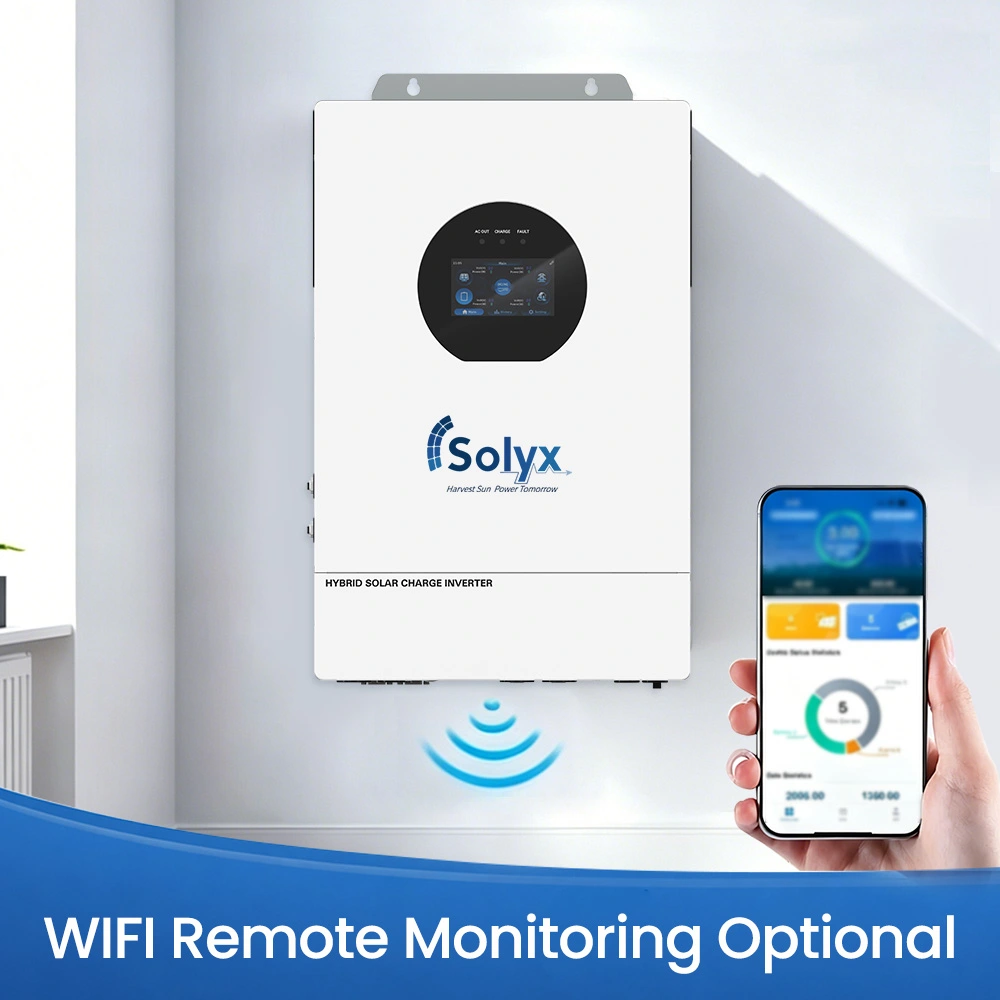
Before diving into the sizing process, it’s crucial to understand what this device does. Unlike a standard string inverter that only converts DC (Direct Current) power from solar panels into AC (Alternating Current) power for your home, a hybrid model does much more. It also regulates the flow of energy to and from your battery storage system and interacts with the utility grid.
This multi-functionality means that sizing isn’t just about matching the inverter to your solar panel output; it also requires careful consideration of your battery capacity and your household’s peak power demands.
Step 1: Calculate Your Total Solar Array Capacity
The first step in sizing your inverter is determining the total wattage of your solar panel array. This is usually straightforward: multiply the wattage of a single panel by the total number of panels.
For example, if you have twenty 400-watt panels:
20 panels * 400 watts = 8,000 watts (or 8kW)
The DC-to-AC Ratio:
It is standard industry practice to “oversize” the solar array relative to the inverter’s capacity. This is known as the DC-to-AC ratio. Because solar panels rarely operate at their absolute peak power under real-world conditions (due to temperature, shading, and slight inefficiencies), an inverter can handle a higher DC input than its rated AC output.
A common and safe DC-to-AC ratio is typically between 1.15 and 1.30.
- Example Calculation: If your solar array is 8kW, you might choose a 6kW inverter (8kW / 1.33 ratio ≈ 6kW). This ensures the inverter operates highly efficiently, especially during less-than-ideal sunlight conditions. Therefore, an 8kW solar system inverter size should typically fall within the 6kW to 7.6kW range.
Step 2: Determine Your Continuous Power Demand (Load)
Your hybrid solar inverter must be capable of supplying enough AC power to run the appliances you need simultaneously. This is especially critical during a grid outage when you are relying solely on solar and battery power.
You need to calculate your maximum continuous load. To do this, list all the appliances you intend to run at the same time and sum their wattage.
| Appliance | Average Continuous Wattage |
| Refrigerator | 150 – 400W |
| LED Lights (x10) | 100W |
| Television | 100 – 200W |
| Well Pump | 1000 – 1500W |
| Central Air Conditioning | 3000 – 5000W |
If you plan to run your lights, fridge, TV, and well pump simultaneously, your continuous load might be around 2,000 watts. If you also want to run central air conditioning, your load will jump significantly. Your inverter’s continuous AC output rating must be higher than this total demand.
Step 3: Account for Surge Power (Peak Load)
Many appliances, particularly those with motors or compressors (like refrigerators, well pumps, and air conditioners), require a brief but significant surge of power to start up. This “surge power” can be two to three times their continuous running wattage.
When selecting your inverter, you must ensure its “peak” or “surge” rating can handle these momentary spikes. If the surge demand exceeds the inverter’s surge capacity, the inverter will likely shut down to protect itself, causing your appliances to fail to start. Always check the surge capacity rating of the inverter before making a decision.
Step 4: Battery Compatibility and Charging Requirements
A crucial aspect of sizing a hybrid system is ensuring compatibility with your battery storage system. The inverter must be able to properly charge and discharge the batteries you select.
- Voltage Match: The inverter’s battery input voltage must match the voltage of your battery bank (e.g., 48V is most common for residential lithium-ion systems).
- Charge/Discharge Rates: Look at the maximum charge and discharge currents of the inverter. A higher charge rating means the inverter can replenish your batteries faster when the sun is shining. If you have a large battery bank, an inverter with a low charge rate might take too long to fully recharge it during a short winter day.
- Communication: Modern lithium batteries require constant communication with the inverter via CAN bus or RS485 to manage battery health. Ensure the inverter you choose is on the approved compatibility list for your specific battery brand.
Key Considerations for Sizing
When navigating the process of selecting the right hybrid inverter, keep these additional factors in mind:
- Future Expansion: Do you plan to add more solar panels or batteries in the future? If so, it might be wise to choose an inverter with a slightly larger capacity than you currently need, allowing room for growth without requiring a complete system overhaul.
- Grid Regulations: Local utility companies often have strict regulations regarding the maximum size of inverters connected to the grid. Check with your utility provider before purchasing to ensure compliance and avoid connection issues.
- Off-Grid vs. Grid-Tied Applications: If your goal is complete independence (off-grid), your load calculations must be absolute. The inverter and battery bank must handle everything. If you are grid-tied and using the hybrid setup primarily for backup and time-of-use optimization, you can often size the inverter slightly smaller, relying on the grid for occasional heavy loads.
Finding the Right Solution
Sizing solar equipment involves careful calculation and a thorough understanding of your energy needs. While this guide provides a strong foundation, consulting with a professional solar installer is always recommended. They can perform detailed load analyses and site assessments.
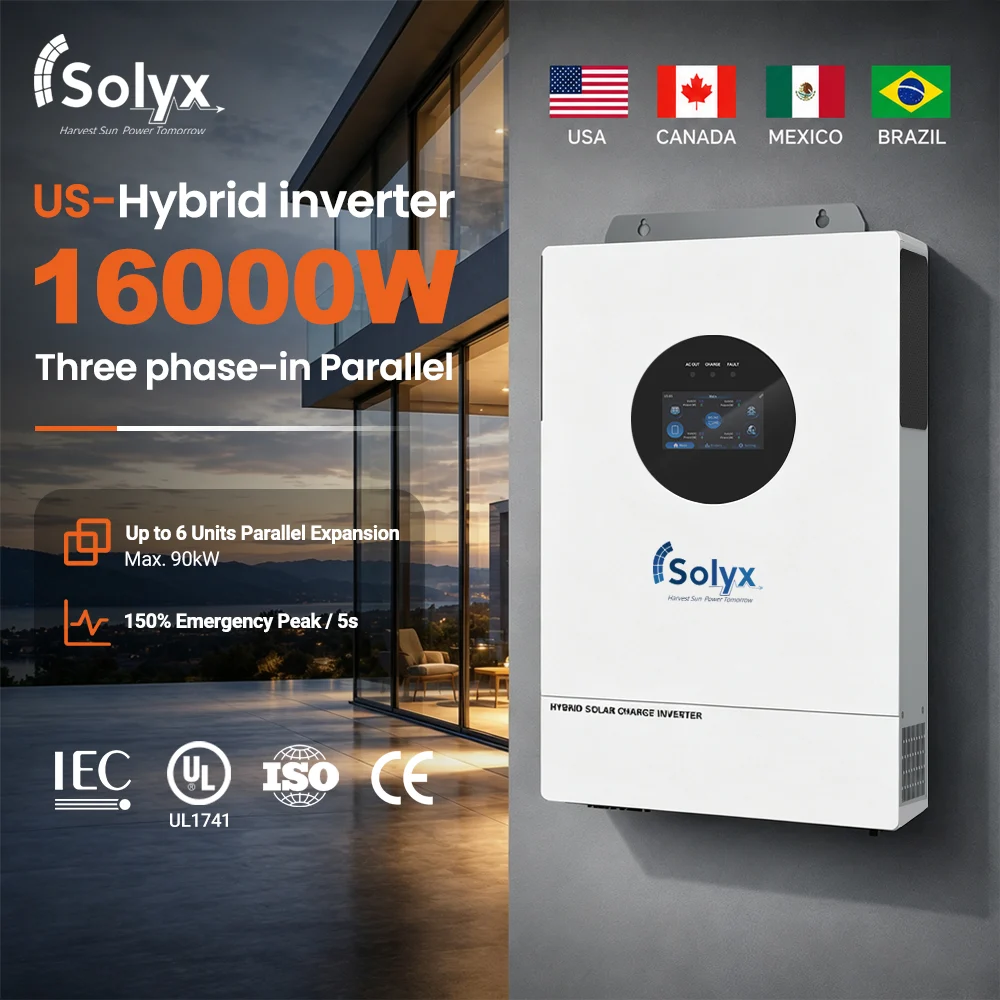
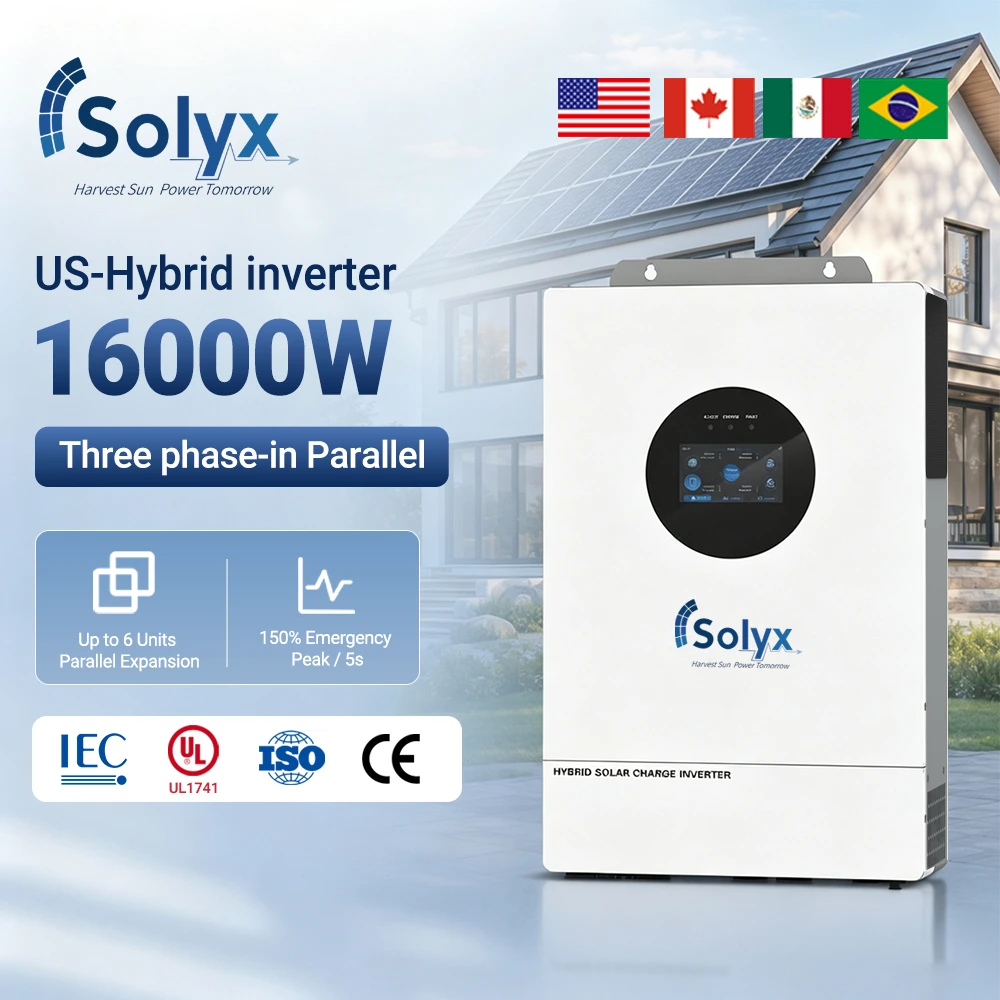
If you are looking for reliable and efficient energy solutions, exploring options from reputable manufacturers like Solyx can provide peace of mind. Solyx offers advanced inverter technologies designed to maximize energy harvesting and provide robust battery management, ensuring your transition to solar is seamless and effective. By carefully evaluating your solar array, daily energy demands, and battery specifications, you can select the perfect inverter to power your life efficiently.
Frequently Asked Questions (FAQs)
1. Can I use a hybrid inverter without batteries?
Yes, many hybrid models can operate without batteries initially, functioning much like a standard string inverter. This allows you to install the solar panels now and easily add a battery storage system later without needing to replace the inverter.
2. What happens if I undersize my hybrid inverter?
If the inverter’s AC output is too small for your solar array (a very high DC-to-AC ratio), you will experience “clipping.” This means the inverter will limit the power output during peak sunlight hours, wasting potential energy. If it’s undersized for your household load, it will shut down when you try to run too many appliances at once.
3. Is it better to have one large hybrid inverter or multiple smaller ones?
For most residential applications, a single appropriately sized inverter is more cost-effective and simpler to install. However, for very large residential systems or specific commercial setups, using multiple smaller inverters (or microinverters combined with AC-coupled batteries) might offer better redundancy and shading mitigation.